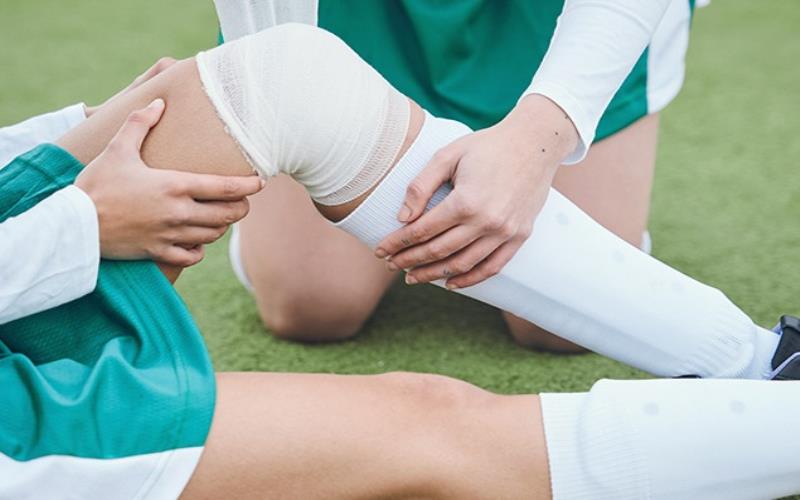
Whether it’s a neighborhood soccer match, a school basketball game, or a weekend marathon, sports offer physical benefits and emotional connection. But with the thrill of competition comes the inevitable risk of injury. Sprains, strains, bruises, and more serious incidents like fractures or concussions can happen in an instant. In these moments, knowing how to respond quickly and effectively can make all the difference in the short-term outcome and long-term recovery. First aid isn’t reserved for medical professionals—it can and should be part of any coach, parent, or player’s knowledge base. By understanding how to assess an injury, offer initial treatment, and know when to seek further care, those on the scene become an essential first line of response. With the right training and mindset, sports injuries become manageable moments rather than overwhelming ones, allowing athletes to feel safer, recover faster, and return to the field with greater confidence.
Preparedness on the Sidelines and Beyond
-
Understanding Immediate Care and Initial Assessment
The first few minutes after a sports injury are often the most important. Whether someone has twisted an ankle, taken a brutal hit to the head, or collapsed mid-game, the way responders approach the situation can determine the pace and quality of recovery. The initial goal is always to ensure the safety of the injured person and prevent further harm. Observing their responsiveness, checking for signs of breathing difficulty, and calmly stopping all activity creates a stable environment for assessment. Coaches, teammates, or bystanders with first aid training can quickly evaluate the situation using basic protocols. Is the injury isolated, or are there signs of head trauma or spinal involvement? Can the athlete speak and move without pain? These early questions are crucial. In scenarios where breathing or circulation is affected, someone who is CPR certified becomes a vital link until professional help arrives. Recognizing the seriousness of an injury early and responding appropriately allows the following steps—whether rest or emergency care—to unfold with purpose and clarity.
-
Common Injuries and the Role of First Aid in Stabilization
Sports injuries vary widely depending on the activity, environment, and level of contact involved. Common issues include sprains, dislocations, fractures, and muscle pulls. Knowing how to handle these injuries in their early stages can reduce long-term complications. For a sprained ankle, elevating the limb and applying a cold compress can ease swelling and pain. For dislocations or suspected fractures, immobilizing the affected area until medical evaluation is available helps prevent the condition from worsening. Cuts and abrasions should be cleaned, dressed, and monitored for signs of infection, especially in outdoor sports where dirt and debris are every day. The key in every case is stabilization—keeping the injury from progressing and offering comfort to the athlete. First aid also includes calming the individual, communicating clearly with them, and staying present until more help can take over. These actions may seem simple, but they help lay the groundwork for better outcomes and provide emotional reassurance in moments of high stress.
-
Concussion Awareness and Cognitive Monitoring
One of the most serious injuries in sports is a concussion. Unlike visible wounds, head injuries can go unnoticed, and the symptoms may not appear right away. This is why first aid training now puts a strong emphasis on concussion awareness. After a fall or head injury, the person should be monitored closely, even if they say they feel fine. Confusion, dizziness, nausea, slurred speech, or delayed responses are early signs of cognitive disruption. In these moments, it’s critical not to return the player to the game, no matter how eager they are. Mental rest is as important as physical recovery, and pushing through can cause further harm. First aid responders should know how to conduct simple cognitive checks and ask questions that reveal disorientation. If symptoms worsen or new ones appear, such as vomiting or loss of consciousness, emergency help must be sought immediately. Responding to head injuries with care and patience safeguards long-term brain health and emphasizes that well-being always takes precedence over performance.
-
Team Roles and Training on the Field
First aid readiness in sports doesn’t fall to a single person—it’s a team effort. Coaches, assistant staff, parents, and even older players should all have some level of training in injury response. Having a designated safety coordinator for games and practices can help centralize action in the event of an incident. This person can manage supplies, assess situations, or direct someone to call for help. Additionally, drills that involve simulated injuries help teams practice their response plans just as they would a defensive strategy. Training creates consistency. It reduces hesitation, ensures faster aid delivery, and builds a culture of responsibility within the group. Athletes also gain reassurance knowing their environment is focused on safety. When first aid becomes part of the routine, just like stretching or warming up, it empowers everyone involved to act decisively in the event of an unexpected situation. This mindset transforms sports fields into spaces where care is constant, not reactive, and where the ability to help becomes just another part of playing the game.
-
Long-Term Recovery and Mental Support After Injury
First aid doesn’t end with the initial treatment. Recovery from a sports injury often requires both emotional and physical care. Athletes may face frustration, anxiety, or even fear of reinjury as they move through healing. First responders on the field play a part in shaping this recovery experience. Offering calm reassurance during the incident, staying in communication in the days that follow, and encouraging a return-to-play that respects the body’s healing timeline all contribute to a healthier process. Encouraging patience and resilience can prevent rushed comebacks that lead to re-injury or prolonged pain. Families, coaches, and teammates who understand the emotional weight of an injury can offer better support, helping athletes rebuild not just their strength but their confidence. In this way, first aid expands beyond bandages and ice packs—it becomes an approach to well-being that follows players off the field, into rehab, and eventually back to the sport they love.
Building a Safer and More Supportive Sports Culture
Sports carry the power to build teamwork, dedication, and personal growth—but only when the people involved feel safe. First aid plays a central role in creating that security. It sets a tone where health and safety are valued as much as skill and scoring. When players, coaches, and supporters prioritize learning how to respond to injuries, they create a culture of readiness and care. Every bruise treated properly, every concussion caught early, and every moment of support after an accident builds trust within a team. The outcome isn’t just fewer injuries—it’s better communication, stronger relationships, and athletes who feel valued beyond their performance. First aid is more than a response; it’s a way of thinking, a daily practice of noticing, helping, and supporting one another. On the field or off, it’s that kind of culture that keeps people playing, growing, and thriving safely for years to come.


 By
By