The world has been swift to adopt thermal imaging technology, as industries are finding more precise methods of heat detection without actually touching. In 2025, the thermal imagers market was estimated to stand at approximately $1.75 billion and is projected to reach an amount of more than $3.2 billion by 2032, with North America being at the forefront in adopting the technology because of its high industrial and maintenance applications. This expansion represents the increasing demand for the tools that are able to detect the heat anomalies faster, increase the safety checks, and assist predictive maintenance in the sectors.
Thermal cameras are becoming extremely useful in checking equipment, surveilling operations, and avoiding expensive breakages in complex industrial machines. As infrared sensing technologies evolve and accuracy gains are made, the tools are becoming popular as more and more facilities opt to use them to provide real-time thermal images and risk detection. This paper discusses the reasons that make thermal imagers a good option in terms of detecting heat in an industry.
Accurate Heat Detection Without Physical Contact
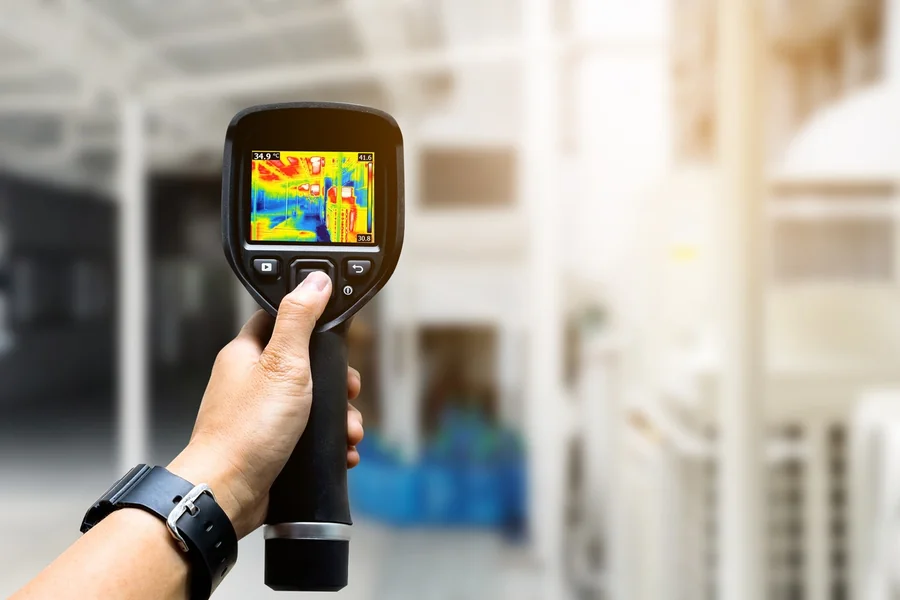
Industrial inspection can often expose one to very hot surfaces or live electrical circuits or even moving equipment. Under such circumstances, physical contact with the equipment increases the risk of accidents and delays the work. Thermal imagers enable professionals to measure temperatures on surfaces from a safe distance, which makes the inspections faster and safer. They can regulate heat radiation to produce images that can be easily interpreted as the temperature changes by sensing infrared radiation.
Thermal imagers come in particularly handy when they cannot be shut down. They detect components that are hot, and they break down. This is due to the fact that this capability of inspecting without disrupting operations facilitates improved planning and maintains productivity in any industrial facility.
Key Reasons Industries Depend on Thermal Imaging Tools
- Early Fault Detection: Thermal imagers have the benefit of detecting any abnormal heat early in time, as a result of which the maintenance teams are able to correct minor problems before they escalate into serious failures.
- Real-Time Results: Thermal data is visible immediately as it is being inspected, meaning that teams can make immediate decisions as opposed to having to wait and receive reports.
- Visual Clarity: Thermal images involve the visualization of differences in temperature using clear patterns of color and help identify problem regions without further analysis.
- Wide Environmental Use: The tools are also effective in dark environments, outdoor and dusty environments, and therefore can be applicable in various industrial environments.
- Consistent Monitoring: Frequent scanning is used to monitor equipment status at various intervals, which can be used to plan long-term maintenance.
How Thermal Imagers Supports Preventive Maintenance
- Electrical Issue Detection: Sloppy connections and overloaded circuits generate heat and then break. These issues are brought to light by using thermal imaging.
- Mechanical Wear Insight: Rising heat is experienced on moving parts like bearings and motors when wear starts. Early identification of this will help in the detection of the problems before a breakdown.
- Energy Loss Identification: Thermal patterns show clearly in the case of heat leakage due to low insulation or sealing. This enables you to become more energy efficient.
- Planned Maintenance: Early fault diagnosis enables the maintenance crews to plan their repairs on scheduled shutdowns rather than emergency repairs.
- Data-Driven Decisions: The information on the thermal history proves more intelligent maintenance plans, which are determined by the true state of the equipment.
Applications Across Industrial Sectors
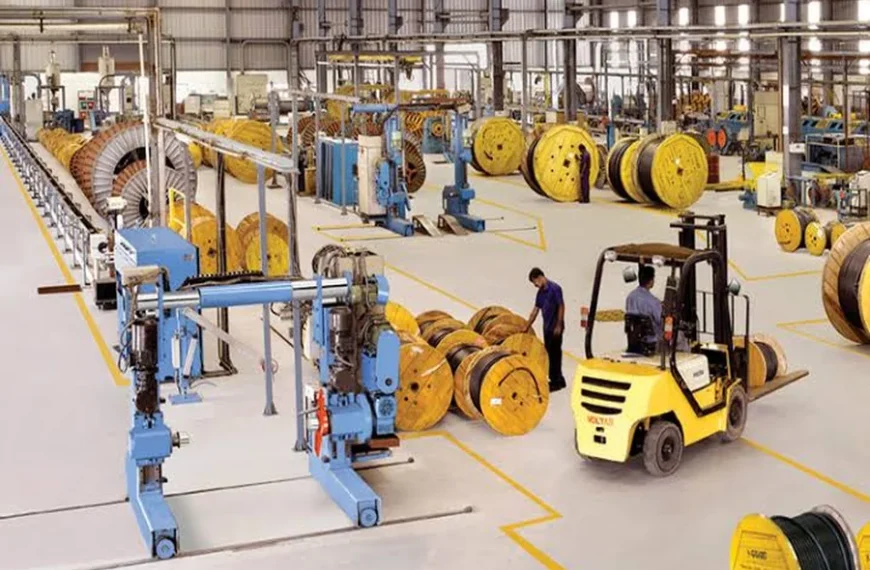
- Manufacturing Plants: Thermal imagers are used to check the temperature of machinery and to sense overheating in machinery very quickly during manufacturing.
- Power Generation: Transformers and other electrical parts used are checked for the accumulation of heat that could cause a breakdown of the system.
- Oil and Gas Facilities: Pipelines are inspected, and storage places are monitored to identify abnormal heat, which might be an indication of leakage or blockages.
- Automotive Industry: The thermal checks aid in checking equipment and assist in ensuring that there are no fluctuations in the operating conditions.
- Building Inspections: Energy performance is identified by using heat that is lost by means of walls, roofs, and systems.
- Food Processing Units: Thermal monitoring is a measure of correct temperature management to achieve quality and safety requirements.
- Chemical Plants: Monitors are used to check process equipment and storage systems to avoid heating overload and minimize the dangers to safety.
Reliability Built on Technology and Consistent Performance
Thermal imagers are becoming reliable due to the enhancement of the accuracy of sensors and image resolution. Having clearer data, the experts in the industry will be able to notice even minor shifts in temperature that may signal future issues. Such dependability allows the teams to support safety requirements and stay in control when inspecting daily.
With the transition to predictive, data-based maintenance in industries, thermal imagers can provide reliable data that can assist in long-term planning. Their constant operation in harsh conditions renders them an effective instrument in accurate heat recognition and occupational danger.
A Practical Way Forward for Reliable Heat Detection
Thermal imagers have become the new tools to be used during inspection in modern industries. They can sense the heat in the distance, increase safety, and facilitate preventive maintenance, which will decrease risks and avoid unforeseen failures. Thermal data is highly dependable in long-term maintenance and efficiency of equipment as it becomes more complicated.
Tempsense can be considered by industries that want to get some reliable solutions. Their thermal imaging systems are designed to perform precise inspections and reliable work; that is why they could be a good option to consider for facilities that want to improve heat detection and monitoring.


 By
By