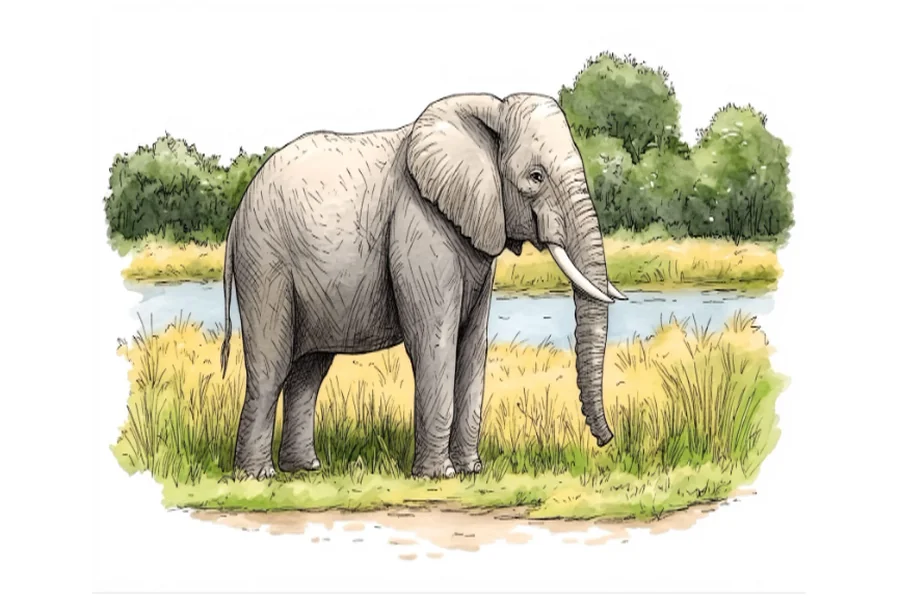
AI is transforming our perception of birds. What once required a camera, patience, and luck can now happen in seconds on a screen. Artists and scientists are using AI to create bird images that look completely real. Some are so detailed, you can’t tell if they were photographed or generated. Alongside these, giant AI elephant art is adding color and motion to digital nature art. The line between reality and imagination is fading rapidly.
How AI Creates Lifelike Bird Images
AI doesn’t draw. It learns. It studies thousands of real bird photos. It notices beak shapes, feather patterns, and how light hits wings in flight. Over time, it builds a mental map of what birds look like.
When someone types a prompt—like “a red cardinal singing on a snowy pine branch”—the AI pulls from that map. It creates a new image that matches the description. The result? A photo-quality picture that never existed in real life.
These images aren’t just copies. They’re original scenes, full of detail and emotion.
Why Artists Love AI Bird Visuals
Artists used to spend hours sketching or painting birds. Now, they utilize AI to expedite the process. They can test ideas fast. Want a flamingo in a city park at sunset? Done.
But they don’t stop at the AI output. Many artists edit the images. They adjust colors, add textures, or blend them with hand-drawn elements. This mix keeps the human touch alive.
AI helps them explore wild ideas—a bird made of stars. A parrot with rainbow smoke trailing its wings. These fantasy scenes still feel real because the base is so accurate.
Scientists Are Joining In Too
It’s not just artists using this tech. Scientists are also turning to AI for bird images. They use them to show rare species or behaviors that are hard to capture.
For example, imagine a bird nesting in a dangerous jungle. Instead of risking a trip, researchers can generate a clear image. It helps in field guides, school books, and public talks.
Some labs utilize AI to simulate how birds might appear in various climates. This helps predict how species could change over time.
The Beauty of Butterfly AI Pics
While birds grab much of the attention, Butterfly AI Pics are also making waves. Butterflies are complex. Their wings have tiny patterns, bright colors, and delicate textures. AI handles all of it.
These images are used in fashion, home decor, and children’s books. Designers print them on fabric. Teachers use them to explain life cycles.
AI can also create fantasy butterflies. One might glow in the dark. Another could have galaxy swirls on its wings. These visuals spark joy and curiosity.
They’re not meant to fool anyone. However, they do demonstrate how powerful AI can be at mimicking nature’s beauty.
When Animals AI Images Enter the Scene
As AI tools improve, they’re not just limited to birds and butterflies. Now, futuristic AI cyborg characters are becoming increasingly common as well. From foxes in snow to dolphins leaping at sunset, AI can generate them all.
This is useful for filmmakers and game designers. They need realistic animals, but can’t always film them in the wild. AI gives them control. They can place an animal in any setting or pose.
Wildlife apps also use these images. They help users learn animal tracks, calls, and behaviors. A clear AI-generated image can teach more than a blurry photo.
The Risk of Believing Too Much
Here’s the problem: some AI images are too good. They look real, but they’re not. People might think a rare bird was spotted when it wasn’t. Or believe a species lives in a place it doesn’t.
That’s dangerous for conservation. False sightings can mislead researchers. They can also spread misinformation online.
That’s why labeling matters. Every AI image should say “generated by AI.” This keeps things honest. It helps people understand what they’re seeing.
Teaching the Public to Spot the Difference
We can’t stop AI from making realistic images. But we can teach people how to question what they see.
Schools are beginning to incorporate “AI literacy” into their curricula. Kids learn how AI works. They see side-by-side examples—real photo vs. AI image. They learn to look for clues, like odd reflections or impossible shadows.
This skill is important. It protects people from scams and fake news. It also helps them appreciate both real photography and digital art for what they are.

 By
By