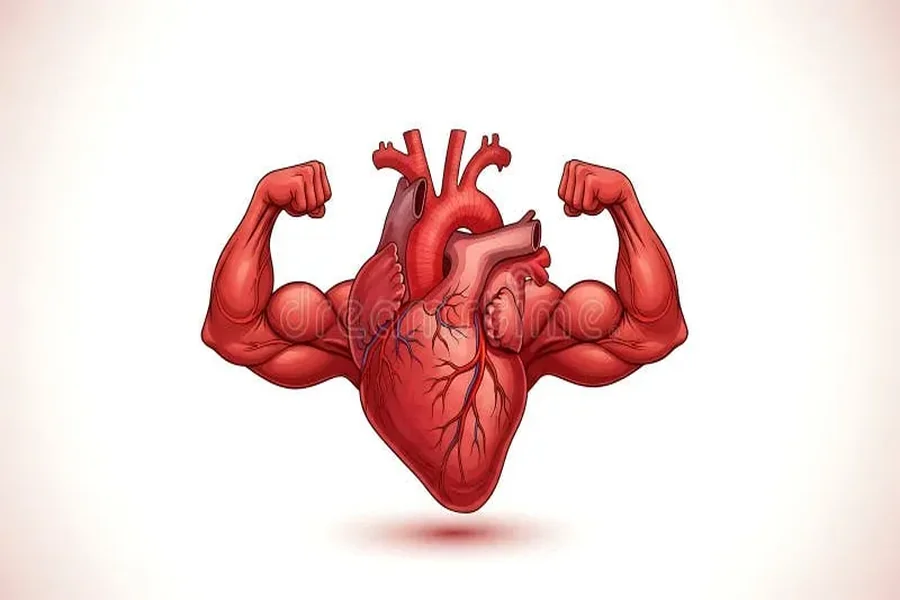
Cardiac health is often discussed in terms of cholesterol, blood pressure, or genetics. But an emerging body of research is revealing something profoundly interconnected: the strength of your bones and muscles directly affects the strength of your heart. Cardiologists and physiologists alike are beginning to see that cardiovascular well-being is not isolated,it is part of a systemic balance between the heart, muscles, and skeletal system. This integrated understanding is shaping new approaches to prevention and recovery in the field of cardiac care, especially among leading specialists such as a cardiac surgeon in India, who now emphasize muscular endurance and metabolic health as critical components of heart wellness.
Just as strong bones and muscles support posture, mobility, and resilience, they also influence how efficiently your heart functions. Together, both perspectives reflect a growing medical truth: a strong heart depends on a strong body.
How Muscle and Cardiac Health Are Biologically Linked
At first glance, your biceps and your heart may seem worlds apart, but biologically they operate on similar principles. Both rely on oxygen delivery, energy metabolism, and mitochondrial efficiency, the body’s ability to convert nutrients into usable energy. When muscles are weak or underused, they consume oxygen inefficiently, forcing the heart to work harder to meet metabolic demands.
Skeletal muscles also act as reservoirs for glucose and fatty acids, helping regulate blood sugar and lipid levels two critical determinants of heart disease risk. Reduced muscle mass, known as sarcopenia, has been linked to increased inflammation and insulin resistance, both of which accelerate atherosclerosis (plaque buildup in arteries). In contrast, maintaining lean muscle through regular exercise improves circulation, reduces cardiac strain, and promotes metabolic stability.
In India, cardiologists and cardiac rehabilitation centers are now collaborating with physiotherapists and nutritionists to address these underlying links. The result is a shift from reactive treatment like bypass or angioplasty to preventive, muscle-integrated cardiac care.
The Cardiac Risks of Muscular Degeneration
Age-related muscle loss doesn’t just make you weaker, it can literally make your heart more vulnerable. Studies have found that individuals with low skeletal muscle mass have higher rates of heart failure, irregular heart rhythms, and post-surgical complications after cardiac procedures.
This connection becomes even more significant in patients recovering from cardiac surgery. The postoperative phase requires physical rehabilitation, where muscle strength determines how quickly a patient can regain independence. Without sufficient muscular endurance, patients often struggle with low exercise tolerance, fatigue, and fluid retention—all of which can delay recovery.
To combat this, many hospitals in India now incorporate resistance training and guided physiotherapy into cardiac rehabilitation programs. These practices help rebuild muscle fibers, enhance oxygen utilization, and support long-term heart function.
The Role of Mitochondria: A Shared Powerhouse
At the cellular level, both cardiac and skeletal muscles rely on mitochondria to generate energy. Mitochondrial dysfunction caused by poor diet, stress, or aging is one of the earliest signs of heart disease. Interestingly, similar dysfunctions occur in weakened or inflamed muscles.
By improving mitochondrial health through aerobic exercise, balanced nutrition, and certain supplements like Coenzyme Q10, individuals can simultaneously enhance both muscle and cardiac endurance. This dual benefit explains why cardiologists now recommend resistance training alongside traditional cardiac exercises such as walking or cycling.
It’s a paradigm shift: we are no longer looking at the heart as an isolated organ but as part of a living network of energy-producing tissues. When the entire muscular system is efficient, the heart experiences less mechanical and metabolic stress, improving its longevity.
Why Sedentary Lifestyles Are a Hidden Cardiac Threat
India’s rapid urbanization and shift toward sedentary work have created a silent epidemic of people with average weight but poor muscle quality. Known as “metabolically obese normal weight” individuals, they often appear healthy but have low muscle mass and high visceral fat, both of which strain the heart.
Prolonged sitting weakens leg and back muscles, impairing venous return, the upward flow of blood from the legs to the heart. This leads to pooling, increased cardiac workload, and eventually, hypertension. The heart, in essence, begins to suffer from the body’s lack of movement.
For this reason, cardiac health campaigns in India are evolving. Hospitals and wellness centers are shifting focus from BMI (Body Mass Index) to body composition prioritizing muscle-to-fat ratio as a more accurate indicator of cardiovascular risk. The stronger your muscles, the better your circulatory dynamics and metabolic stability.
Exercise as Medicine: The New Cardiac Prescription
Decades ago, cardiac patients were told to rest extensively after surgery or heart attacks. Today, the approach has reversed. Controlled exercise, under medical supervision is now considered one of the most effective treatments for both prevention and recovery.
Programs combining aerobic activity, strength training, and flexibility exercises have shown to lower mortality rates and improve cardiac output. Even simple resistance routines, such as light weightlifting or yoga-based muscle engagement, can reduce resting heart rate, improve blood vessel elasticity, and enhance insulin sensitivity.
Indian cardiac centers are integrating structured physical training modules into recovery plans. For example, a patient recovering from coronary bypass may participate in phased programs: early ambulation in the hospital, progressive resistance exercises after discharge, and long-term fitness maintenance with physiologist-guided sessions.
These efforts are built on one key idea, your muscles are not just scaffolding; they are active allies in keeping your heart young.
Nutrition: Building Muscle to Protect the Heart
The connection between diet, muscle mass, and cardiac health cannot be overstated. Protein deficiency is a growing issue in India, particularly among vegetarians, leading to weaker muscles and impaired cardiovascular resilience. A diet rich in high-quality proteins (like lentils, paneer, eggs, and lean meat), omega-3 fatty acids, magnesium, and antioxidants supports both muscle integrity and vascular health.
Nutrients such as vitamin D and calcium, which are essential for bone density, also influence heart function by regulating muscle contractions and blood pressure. In fact, low vitamin D levels are linked to increased risk of hypertension and heart failure.
A balanced approach to diet combining heart-friendly fats, complex carbohydrates, and essential amino acids strengthens every muscle fiber, including the myocardium (heart muscle) itself.
Integrative Cardiac Care: Where Medicine Meets Movement
The new era of cardiac care in India is collaborative. Cardiologists, endocrinologists, physiotherapists, and nutritionists are joining forces to offer integrated programs that treat the heart as part of a complete biological system.
Hospitals like Apollo, Medanta, and Fortis are setting up dedicated “Cardio-Metabolic Wellness Units” that combine exercise physiology, muscle analysis, and cardiovascular monitoring. Patients are educated about how maintaining muscular strength helps control cholesterol, blood sugar, and inflammation, all of which are major cardiac risk factors.
For individuals recovering from major heart surgeries, personalized rehabilitation programs not only restore physical capacity but also reduce emotional anxiety helping patients rebuild both body and confidence.
Conclusion
The old model of treating heart disease as an isolated ailment is rapidly fading. Today, cardiac health is seen as a full-body equation, where the vitality of your muscles, bones, and circulatory system work in harmony to sustain life. From improving mitochondrial efficiency to maintaining strong skeletal support, every lifestyle choice that strengthens the body also strengthens the heart.
India’s cardiac specialists are increasingly embracing this holistic vision, merging medical excellence with lifestyle transformation. As modern research continues to reveal the interdependence of muscle and heart health, it’s clear that the best way to protect your heart may begin not just with your arteries but with your muscles.
To explore how maintaining physical strength contributes to overall health, you can read this practical guide on keeping your bones and muscles strong. Because ultimately, a stronger body builds a stronger heart and a stronger heart sustains a longer, healthier life.


 By
By