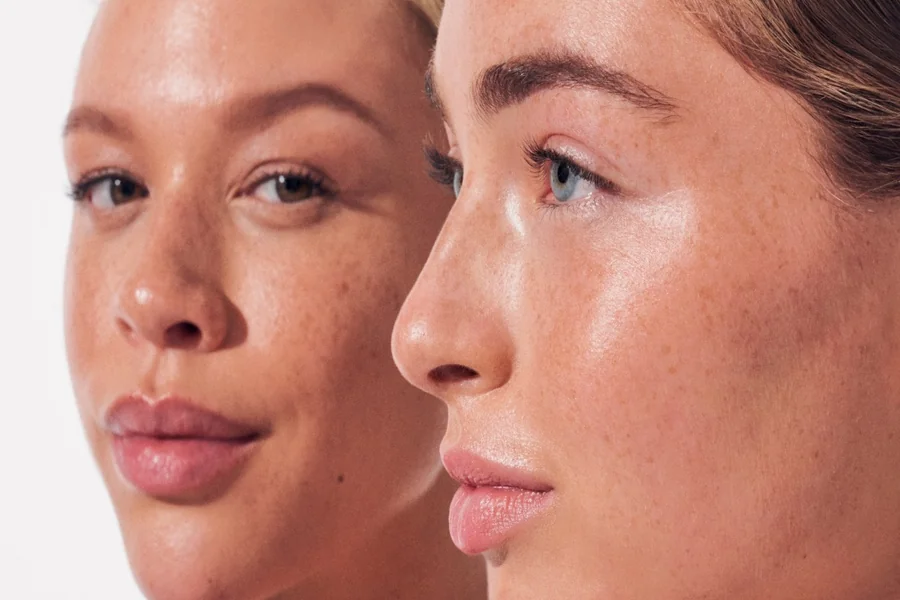
When it comes to skincare, the terms “moisturizing” and “hydrating” are often used interchangeably. However, understanding the differences between the two is essential for achieving optimal skin health. While both are crucial for maintaining healthy, radiant skin, they work in distinct ways and address different needs. In this blog, we’ll dive deep into the difference between moisturizing and hydrating, the benefits of each, and how to choose the right products, such as a moisturizer for dry skin or a ceramide moisturizer, to suit your skin type.
Understanding Skin Hydration and Moisture
Before we explore the differences, let’s define the core concepts of hydration and moisture.
- Hydration refers to the process of increasing the water content in the skin. Hydrating products typically aim to attract water to the skin, ensuring that the skin cells are plump, soft, and refreshed. Hydration is critical for maintaining a healthy skin barrier, especially in dry environments or for those with dehydrated skin.
- Moisturization, on the other hand, involves locking in moisture to prevent water loss. Moisturizers create a protective barrier on the skin, sealing in the hydration and preventing environmental factors like wind or pollution from drawing moisture out. Moisturizing is especially important for individuals with dry skin or those living in climates that cause moisture depletion.
Key Differences Between Moisturizing and Hydrating
- Function
- Hydrating products are designed to increase the water content in the skin, often containing ingredients like glycerin, hyaluronic acid, or aloe vera. These ingredients work by attracting water from the environment or deeper layers of the skin into the surface layer.
- Moisturizing products are designed to seal and lock in the hydration already present in the skin. Moisturizers typically contain heavier ingredients like oils, butters, and ceramides, which create a protective barrier to prevent moisture loss.
- Hydrating products are designed to increase the water content in the skin, often containing ingredients like glycerin, hyaluronic acid, or aloe vera. These ingredients work by attracting water from the environment or deeper layers of the skin into the surface layer.
- Ingredients
- Hydrating products often contain humectants such as hyaluronic acid, glycerin, or sorbitol. These ingredients draw moisture into the skin from the air and from the skin’s deeper layers.
- Moisturizing products typically contain emollients and occlusives. Emollients like shea butter, jojoba oil, and squalane soften the skin, while occlusives like petrolatum, beeswax, and ceramides form a barrier to lock in moisture.
- Hydrating products often contain humectants such as hyaluronic acid, glycerin, or sorbitol. These ingredients draw moisture into the skin from the air and from the skin’s deeper layers.
- Ideal Skin Type
- Hydrating products are ideal for people with dehydrated skin, which can be oily, combination, or dry. Dehydrated skin lacks water, and hydrating ingredients help restore its moisture balance.
- Moisturizing products are best for individuals with dry skin, which tends to lack both water and oil. These products provide a richer, more protective barrier to ensure the skin remains nourished.
- Hydrating products are ideal for people with dehydrated skin, which can be oily, combination, or dry. Dehydrated skin lacks water, and hydrating ingredients help restore its moisture balance.
Why Both Hydration and Moisturization Are Important
Many people mistakenly believe that their skin only needs one of these solutions. However, hydration and moisturization work hand in hand to achieve a healthy skin barrier.
- Hydration is essential for maintaining the elasticity of the skin. Without proper hydration, the skin may appear dull and tight.
- Moisturization helps lock in the hydration and prevents your skin from losing it throughout the day, especially when exposed to harsh environmental factors or after cleansing.
Together, hydration and moisturization keep the skin plump, smooth, and balanced.
Choosing the Right Products: Moisturizer for Dry Skin and Ceramide Moisturizer
When choosing skincare products, it’s important to consider your skin’s specific needs. If you have dry skin, you may require products that address both hydration and moisture. A moisturizer for dry skin should contain ingredients that provide both humectants (like glycerin or hyaluronic acid) to hydrate the skin and emollients or occlusives to lock that moisture in.
One such product is a ceramide moisturizer, which is particularly beneficial for dry or compromised skin. Ceramides are lipids (fat molecules) that naturally occur in the skin’s outermost layer, helping to form the skin’s protective barrier. By replenishing ceramide levels, a ceramide moisturizer helps restore moisture retention, improve the skin barrier, and prevent moisture loss, making it an excellent choice for those with dry or sensitive skin.
Benefits of Ceramide Moisturizers
- Strengthens the Skin Barrier: Ceramides help restore the skin’s natural lipid barrier, making it more resilient to environmental stressors.
- Improves Skin Texture: By retaining moisture, ceramides help to smooth the skin’s surface, reducing the appearance of dryness and flakiness.
- Prevents Moisture Loss: Ceramide-rich moisturizers create a strong protective barrier to keep the skin hydrated throughout the day.
Tips for Proper Hydration and Moisturization
- Layer Your Products: Start with a hydrating serum or toner that contains humectants like hyaluronic acid. Follow up with a rich moisturizer containing emollients and occlusives like ceramides to lock in the hydration.
- Don’t Skip Sunscreen: UV rays can dry out and damage the skin, so apply a hydrating sunscreen daily to protect your skin from moisture loss while keeping it hydrated.
- Stay Hydrated: External skincare is only part of the equation. Drinking enough water throughout the day helps to hydrate your skin from within.
Conclusion: Hydration + Moisturization = Healthy Skin
In summary, hydrating and moisturizing are two sides of the same coin, both playing crucial roles in maintaining healthy, glowing skin. While hydration helps increase the skin’s water content, moisturization ensures that it stays locked in. Choosing the right products for your skin, such as a moisturizer for dry skin or a ceramide moisturizer, is key to addressing your unique skincare needs.
By incorporating both hydration and moisturization into your skincare routine, you’ll be well on your way to achieving smooth, supple, and healthy skin all year long.

 By
By