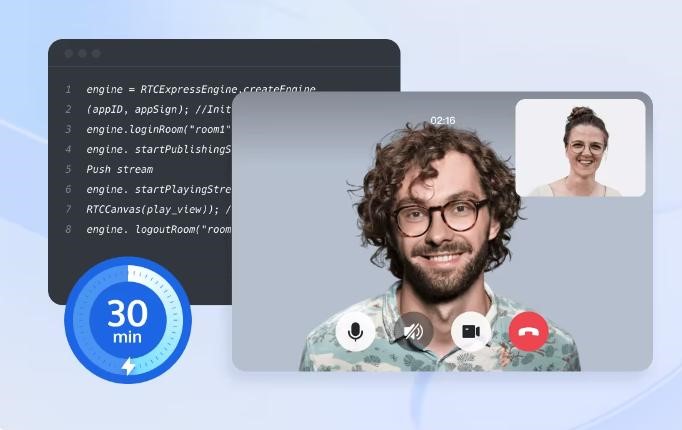
Video communication has become essential for web and mobile applications. Developers need robust video call SDKs that ensure seamless user experiences. Selecting the right SDK involves examining various factors to match specific requirements. This blog guides you through making informed decisions by considering performance, features, integration capabilities, and cost. Clarity in these areas is critical for successful implementation and maximizing return on investment.
Key Factors to Compare When Choosing a Video Call SDK
Developers should prioritize performance, stability, and global connectivity when choosing a video call sdk. It’s essential to verify if the SDK provides low latency and stable connections worldwide. This assessment can prevent lags and dropped calls, ensuring a smooth experience across different regions.
Performance, Stability, and Global Connectivity
It’s crucial to evaluate SDKs based on their ability to deliver reliable audio and video streams. High-performance SDKs offer low-latency connections, maintaining stability even during peak usage hours. Check for reviews and user feedback on connectivity across different regions as global reach is vital.
Device and Platform Compatibility
SDK compatibility with various devices and platforms is non-negotiable. Developers need SDKs that support iOS, Android, and web applications. Ensuring compatibility allows for seamless performance across devices, expanding the app’s accessibility and user base.
UI Kits, Customization, and Developer Flexibility
UI kits included in SDKs can speed up development and ensure design consistency. Flexibility in customization can be a deciding factor, as it allows developers to align video call features with the app’s branding. Look for SDKs offering extensive customization.
Essential Features to Look For in a Modern SDK
Evaluating SDK capabilities involves examining the quality of real-time audio and video delivery. A modern SDK should offer superior benchmarks, contributing to an enhanced user experience.
Real-Time Audio and Video Quality Benchmarks
Audio and video quality benchmarks are fundamental metrics that directly influence user satisfaction. An SDK must deliver HD audio and video quality without glitches. Ensure the SDK supports adaptive bitrate streaming for optimal performance despite varying network conditions.
Group Calls, Screensharing, and Multi-Party Layouts
The ability to host group calls, offer screensharing, and manage multi-party layouts is crucial for flexibility in communication scenarios. Ensure the SDK supports these capabilities to cater to diverse user needs, from corporate meetings to casual hangouts.
Security, Encryption, and Compliance Requirements
Security is paramount in video communication. Choose an SDK that offers end-to-end encryption and complies with regulations like GDPR and HIPAA. This ensures user data protection and builds trust in your app’s reliability.
Evaluating Integration, Documentation, and Developer Support
Easy integration, comprehensive documentation, and responsive developer support are critical elements contributing to smooth development processes.
SDK Size, API Design, and Setup Time
The size of the SDK can affect your app’s storage capacity and performance. Compact SDKs with well-structured APIs facilitate quicker setup and integration, minimizing initial development time.

Tutorials, Community, and Sample Projects
Access to tutorials, a supportive community, and sample projects accelerates the learning curve, helping developers resolve issues promptly. Check the availability of these resources when evaluating different SDKs.
Pricing Models and How to Compare ROI
Understanding pricing models is vital for assessing the SDK’s financial impact. Comparing return on investment involves analyzing both upfront costs and potential hidden expenses.
Usage-Based Billing vs Monthly Commitments
SDK pricing can vary between usage-based billing and monthly commitments. Choose a model that aligns with your app’s scale and user engagement, allowing for cost-effective scaling as the app grows.
Hidden Costs: Bandwidth, Recording, Cloud Services
Identify hidden costs in bandwidth usage, recording, and cloud services. These can significantly impact the total cost of ownership over time, so include them in your ROI calculations.
Why TRTC Call Stands Out for Web and Mobile
TRTC Call, Tencent’s Real-Time Communication SDK, distinguishes itself with robust performance and ease of use.
Low Latency, High Stability, and Global Coverage
TRTC Call offers exceptional low latency and stability, ensuring clear communication on a global scale. This reliability makes it an excellent choice for applications with an international audience.
Prebuilt Components, UI Kits, and Quick Deployment
TRTC Call includes prebuilt components and UI kits, enabling rapid deployment and reducing development overhead. Its quick-start capabilities make it appealing for time-sensitive projects.
Use Cases: Social, Education, Customer Support, Healthcare
TRTC Call is versatile, supporting various use cases such as social networking, online education, customer support, and telemedicine. This adaptability enhances its value across multiple industries.
How to Test and Validate an SDK Before You Commit
Testing SDK performance is a crucial step before making a commitment. Implement strategies such as pilot testing, load testing, and checks on real devices.
Pilot Testing, Load Testing, and Real Device Checks
Perform pilot tests to gauge initial performance, followed by load testing to assess scalability. Real device checks across platforms reveal potential issues early, ensuring confidence in deployment.
KPIs to Track: Latency, Jitter, Frame Rate, Error Rate
Tracking critical KPIs like latency, jitter, frame rate, and error rate helps evaluate an SDK’s quality. These metrics provide insights into user experience and service reliability.
Conclusion
Choosing the right video call SDK for web and mobile requires careful consideration of performance, features, integration, and cost. By evaluating your app’s specific needs and testing potential SDKs thoroughly, you can ensure a seamless and successful implementation. This diligence ensures your app delivers high-quality video communication, fostering user engagement and satisfaction.


 By
By