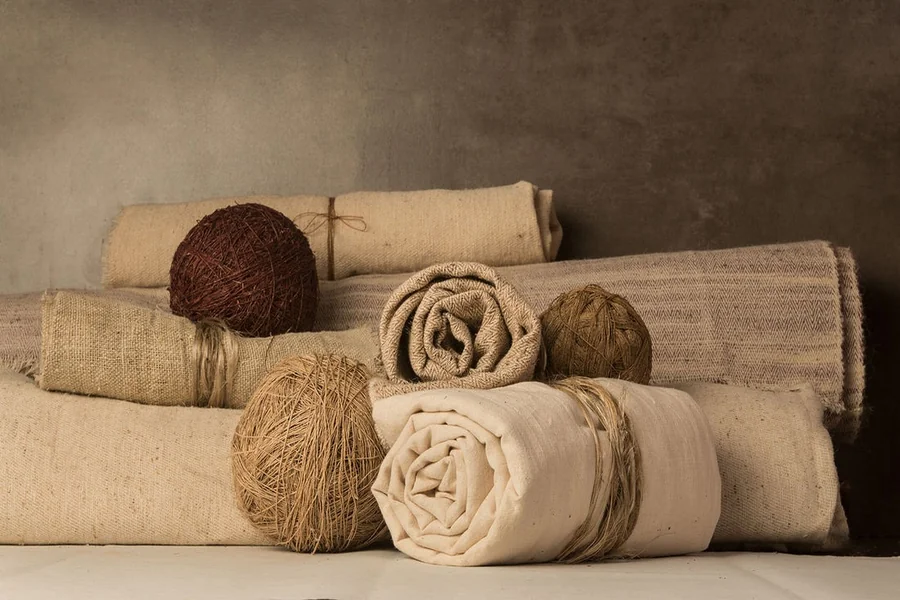
As sustainable fashion continues to gain momentum, fabric choices are becoming just as important as design and fit. Among eco-conscious textiles, hemp cotton and bamboo cotton fabrics have emerged as popular alternatives to conventional cotton. Both blends promise comfort, breathability, and reduced environmental impact but which one is truly more sustainable?
In this blog, we’ll take a closer look at how hemp cotton fabric and bamboo cotton fabric compare in terms of sustainability, production process, performance, and long-term environmental impact, helping you make a more informed choice.
Understanding Sustainable Fabric Blends
Before diving into comparisons, it’s important to understand why blended fabrics exist. Natural fibers like hemp and bamboo are often blended with cotton to improve softness, drape, and wearability while retaining eco-friendly properties. The sustainability of these blends depends on factors such as raw material sourcing, water usage, chemical processing, durability, and biodegradability.
What Is Hemp Cotton Fabric?
Hemp cotton fabric is a blend of hemp fibers and cotton, combining hemp’s strength and sustainability with cotton’s softness. Hemp is one of the most environmentally friendly crops—it grows quickly, requires minimal water, and needs little to no pesticides.
From a sustainability standpoint, hemp stands out for its low environmental footprint. It enriches soil health, absorbs more carbon dioxide than many plants, and produces high fiber yield per acre. When blended with cotton, hemp helps reduce the overall environmental cost associated with traditional cotton farming.
Hemp cotton fabric is known for being breathable, durable, and long-lasting. Over time, it softens without losing strength, making it ideal for garments designed for frequent wear.
What Is Bamboo Cotton Fabric?
Bamboo cotton fabric blends bamboo-derived fibers with cotton to create a soft, smooth, and lightweight textile. Bamboo as a plant grows rapidly and regenerates naturally without replanting, which initially makes it appear highly sustainable.
However, the sustainability of bamboo cotton fabric depends heavily on how the bamboo fibers are processed. Most bamboo textiles are made using a chemical-intensive process that converts bamboo pulp into viscose or rayon. While the end fabric is soft and breathable, the production process can involve solvents and chemicals that may have environmental consequences if not responsibly managed.
That said, when produced using closed-loop or eco-certified methods, bamboo cotton fabric can still be a more sustainable option compared to purely synthetic textiles.
Sustainability Comparison: Hemp Cotton vs Bamboo Cotton
When comparing sustainability, several key factors come into play:
Water Usage:
Hemp requires significantly less water than both cotton and bamboo. Bamboo also uses relatively little water as a crop, but processing bamboo into usable fiber increases water and chemical usage.
Chemical Processing:
Hemp fibers can be mechanically processed with minimal chemicals. Bamboo fibers, on the other hand, usually undergo chemical processing, which can impact sustainability unless eco-friendly methods are used.
Soil Health & Farming Impact:
Hemp improves soil quality and prevents erosion, making it an excellent rotational crop. Bamboo grows quickly but doesn’t offer the same soil-regenerative benefits as hemp.
Carbon Footprint:
Hemp absorbs more CO₂ per hectare than most plants, giving it an edge in carbon reduction. Bamboo also absorbs carbon but requires energy-intensive processing.
From a purely environmental perspective, hemp cotton fabric generally has a lower overall impact when responsibly produced.
Comfort, Breathability, and Wearability
Sustainability alone isn’t enough—comfort matters too.
Hemp cotton fabric is breathable and thermoregulating, making it suitable for both warm and cooler climates. It may feel slightly textured initially but becomes softer with each wash.
Bamboo cotton fabric is known for its silky softness right from the start. It drapes well, feels gentle on the skin, and is often preferred for loungewear and everyday comfort clothing.
If immediate softness is your priority, bamboo cotton may feel more luxurious. If durability and longevity matter more, hemp cotton offers better long-term value.
Durability and Lifespan
Durability plays a crucial role in sustainability. The longer a garment lasts, the lower its environmental impact over time.
Hemp cotton fabric is extremely durable, resistant to wear and tear, and holds its shape well after repeated washing. Bamboo cotton fabric, while soft and comfortable, is generally less durable and may show signs of wear sooner if not cared for properly.
Long-lasting garments reduce the need for frequent replacements, making hemp cotton a more sustainable option in the long run.
Biodegradability and End-of-Life Impact
Both hemp cotton and bamboo cotton fabrics are biodegradable under the right conditions. However, fabrics with fewer chemical treatments tend to break down more naturally.
Hemp cotton fabric, especially when minimally processed, biodegrades efficiently without releasing harmful residues. Bamboo cotton fabrics produced using chemical-heavy methods may take longer to decompose and could leave behind trace chemicals.
So, Which One Is More Sustainable?
When comparing hemp cotton fabric vs bamboo cotton fabric, hemp cotton generally emerges as the more sustainable choice due to:
- Lower water consumption
- Minimal chemical processing
- Better soil regeneration
- Higher durability and longer lifespan
That said, bamboo cotton fabric can still be a responsible option when sourced from transparent, eco-certified manufacturers.
Final Thoughts
Both fabrics have a place in sustainable fashion, but if environmental impact, durability, and long-term sustainability are your top priorities, hemp cotton fabric has a clear advantage. Bamboo cotton fabric excels in softness and comfort, making it a good option for those seeking gentle, breathable clothing.
Ultimately, the most sustainable choice is one that aligns with mindful consumption choosing quality fabrics, caring for garments properly, and investing in pieces designed to last.


 By
By