Key Takeaways
- Plan meticulously and respect local regulations to protect Iceland’s unique ecosystems.
- Packing weatherproof gear and extra layers is crucial—be ready for rapid weather changes.
- Choose legal campsites thoughtfully, arriving early or reserving during peak seasons.
- Prioritize Leave No Trace ethics, disposing of all waste, and minimizing your environmental footprint.
- Prioritize safety by sharing travel plans, preparing for emergencies, and using appropriate gear for your route.
- Secure a reliable rental vehicle for maximum flexibility and comfort as you discover Iceland’s wonders.
Introduction
Camping in Iceland is an unparalleled experience, immersing travelers in landscapes that seem plucked from a dream. Imagine waking up to the breathtaking shapes of glacial mountains, wandering across mossy lava fields, and falling asleep beneath the dazzling northern lights or the radiant glow of the midnight sun. Exploring Iceland’s wonders on your terms adds a fresh perspective to the journey, where adventure and serenity meet. To make your expedition both comfortable and flexible, select a dependable rental vehicle, such as those found through Rent.is, truly makes a difference. With the right vehicle, you can traverse Iceland’s rugged interior, reach remote hot springs, and settle into the rhythm of nature, all while enjoying the freedom to change course as discovery calls.
Planning is crucial when approaching an Icelandic camping trip. You’ll want to be well-versed in local camping regulations, understand the nuances of weather preparedness, and learn how to protect Iceland’s fragile ecosystems. This in-depth guide is tailored to help you navigate every step of the journey, ensuring that you enjoy a safe, memorable adventure and do your part to preserve these magical surroundings for generations to come.
Understanding Camping Regulations
Iceland’s terrain, characterized by its volcanic plains, meandering rivers, and rare flora, is highly sensitive to disruption. In order to safeguard these treasured natural assets, camping is only permitted in designated areas. Gone are the days when travelers could pitch a tent anywhere. Today, wild camping—including sleeping in your tent or campervan off the official campsites or on private property without clear permission—is broadly illegal and subject to steep fines. This policy is enforced not only to protect the environment but also to make camping safer for everyone, preventing accidental damage to delicate mosses and protecting habitats for birds and other local wildlife. For the latest on these evolving regulations and to review exceptions or updates by region, visit the Essential Camping Rules in Iceland.
By respecting these restrictions, you demonstrate a commitment to sustainable travel and play an active role in conserving Iceland’s irreplaceable wilderness. It is essential to plan your route carefully, mapping out legal campsites in advance, especially in high-season months, where the surge of visitors can make finding a spot more challenging. Ignorance of the rules is not an excuse; local authorities take non-compliance seriously, conduct routine checks, and impose hefty penalties on violations. Preparation paves the way for both peace of mind and an environmentally mindful journey.
Choosing the Right Gear
The Icelandic weather is both awe-inspiring and notorious for its unpredictability. Your gear can quite literally be the deciding factor between a trip filled with magical memories or one marred by discomfort. Investing in a four-season tent with strong wind resistance, durable stakes, and a reliable rainfly is a must for braving Iceland’s elements. Since summer temperatures can drop near or below freezing, an insulated sleeping pad and a sleeping bag rated for sub-zero conditions are indispensable.
Clothing should be carefully selected for a layering system that includes moisture-wicking synthetic or wool base layers, warm yet packable mid-layers, and a windproof, waterproof outer shell to guard against the island’s sudden squalls. Sturdy, waterproof hiking boots, several pairs of dry socks, gloves, and a warm hat are non-negotiable. You’ll also want to equip yourself with portable cooking gear, a compact stove, a headlamp with extra batteries, and perhaps a solar charger—many campsites are remote with minimal facilities. Thoughtful packing can make daily camp life smoother; for inspiration, read the Comprehensive Camping Guide for Iceland. Don’t underestimate the value of a detailed packing checklist—small items like duct tape, a multitool, or even an extra lighter can prove invaluable in Iceland’s rugged outdoors.
Weather Preparedness
Iceland’s weather is, perhaps, its most famous wildcard. Sunshine and blue skies can vanish in moments, replaced by biting winds, driving rain, or sudden sleet. Trusting local forecasts is your first line of defense: always check the latest updates from the Icelandic Meteorological Office before heading out, and remember to monitor updates throughout your trip. Preparation means packing rain gear, warm hats, gloves, and extra layers in waterproof bags, so your essentials always stay dry. Thermal clothing and rain covers, even for backpacks, are valuable in Iceland’s shifting climate.
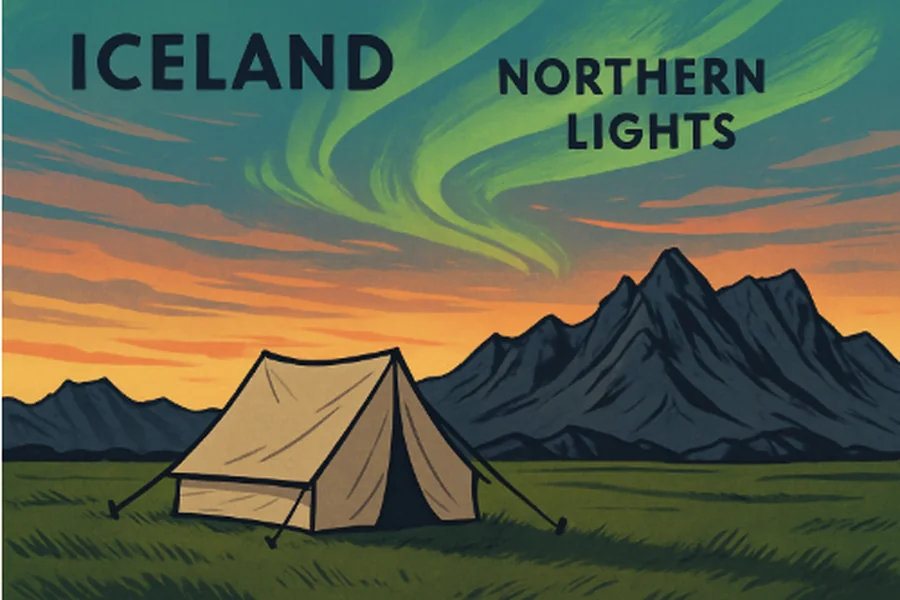
Setting up camp in high winds can be treacherous. Low-profile tents and choosing shelter—such as the lee of a hill or lava rocks—can greatly reduce the strain on your shelter and keep you warm. Additionally, flexibility must be at the core of any Icelandic itinerary. Heavy rainfall, sudden storms, or volcanic activity can close roads and make travel unsafe immediately. Don’t hesitate to adjust your plans as conditions evolve; always heed local advisories. Prioritizing adaptability and safety will help you embrace Iceland’s elements, rather than oppose them.
Campsite Selection
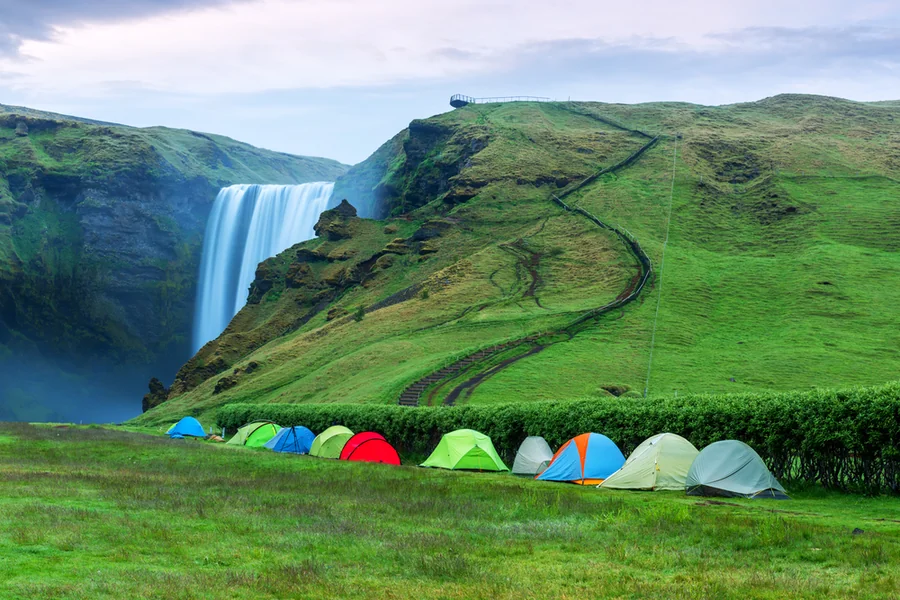
Selecting where to camp goes far beyond choosing a place to rest your head—it influences safety, environmental impact, and the quality of your experience. Iceland features a diverse range of official campsites, from bustling grounds with hot showers, laundromats, and communal kitchens, to remote locations that offer little more than a flat tent pad and breathtaking views. Some require advance booking and check-in, while others use an honor system, relying on campers’ honesty to pay on arrival.
In the peak tourist season (late June through August), demand for prime locations—especially those with added comforts—means it’s smart to reserve in advance where possible. Rural and less-visited areas may operate on a first-come, first-served basis, making early arrival the key to snagging a prime spot. For an up-to-date directory of recommended campsites across the island, check out the Best Guide to Camping in Iceland.
Tips for Selecting a Campsite
- Seek spots shielded from prevailing winds using lava fields, large rocks, or natural hollows.
- Camp safely from rivers or streams, which can rise rapidly after rainfall or snowmelt.
- Follow campsite etiquette by respecting quiet hours, separating tent and campervan zones, and adhering to rules about cooking and fires.
Leave No Trace Principles
The beauty of Iceland’s landscapes is matched only by their fragility. Thanks to a growing culture of responsible travel—led by locals and environmentally conscious visitors—these areas remain some of Europe’s cleanest wild spaces. Practicing Leave No Trace camping is essential not just for your trip but for all who follow. This involves careful forethought: plan ahead by knowing your campsite locations and bringing reusable containers and utensils to limit single-use plastics.
- Plan ahead: Research all campsites and carry reusable gear to curb waste and avoid unnecessary stops.
- Dispose of waste properly: Every scrap of litter, leftover food, and packaging should leave the wild with you or be placed in designated bins at campgrounds. Biodegradable materials decay slowly in Iceland’s cold climate and should not be left behind.
- Respect wildlife: Nesting birds, especially in spring and summer, can be disturbed easily. View from afar, never feed animals, and keep to marked paths to avoid trampling nests or delicate groundcover.
- Be considerate: Maintain a low profile in terms of both noise and presence. Treat shared facilities—including showers and cooking areas—respectfully to create a welcoming community among fellow travelers.
Following these principles ensures that Iceland’s natural wonders endure for years to come. You can find expanded guidelines at the Essential Camping Rules in Iceland.
Safety Measures
Safety should remain at the forefront of your camping itinerary. Iceland’s remote regions, variable weather, and untamed landscapes can present real hazards if underestimated. Always share your travel plan with someone trustworthy and stay in contact whenever possible, especially if venturing off the beaten track. Equip yourself with a well-stocked first aid kit, familiarize yourself with basic emergency care, and keep a list of local emergency contacts—112 is the national emergency number in Iceland.
Specific hazards abound and warrant vigilance: rocky paths around waterfalls are often slick with spray, geothermal areas may have hidden hot spots or unstable ground, and river crossings can become perilous after rainfall. Never disregard posted warnings or ranger advice; signage exists to protect both you and the landscape. If you are traveling in the Highlands or plan to navigate F-roads (mountain tracks only passable with four-wheel-drive vehicles), ensure your transportation and equipment are suited to rougher conditions and river fording. Rental companies can advise on appropriate vehicles and accessories for your planned route, helping mitigate risk and maximize your adventure.
Camping in Iceland is more than just a way to see the country—it’s a portal to experience raw beauty, tranquility, and adventure in one unforgettable journey. When you prepare wisely and travel respectfully, you’re rewarded with a tapestry of natural wonders that stays with you long after your footprints have faded from the mossy paths and black sand beaches.


 By
By