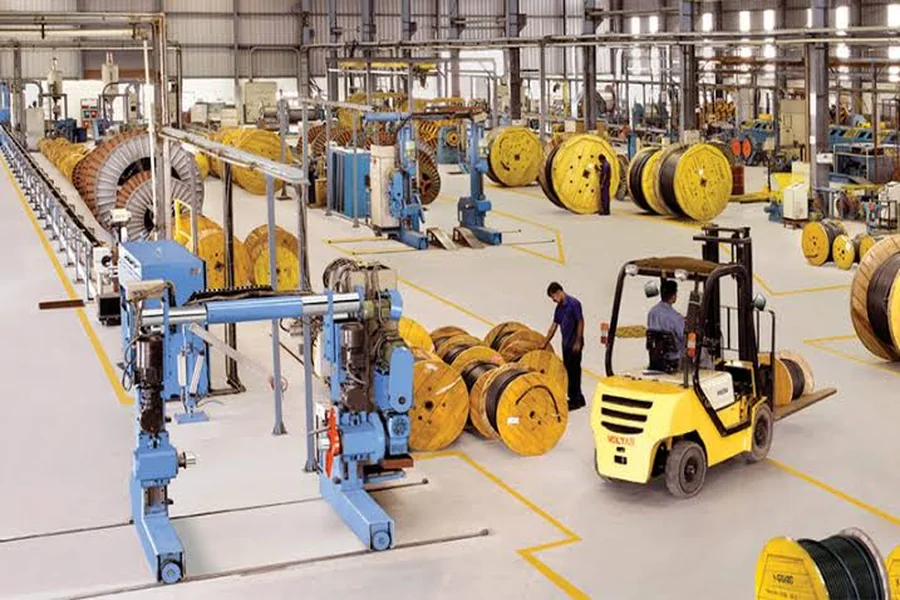
Picture the electrical wiring running through a newly built apartment, the cables feeding into a factory’s machinery, or the wires connecting a solar panel to its inverter. Almost nobody thinks about who manufactured those wires, yet an entire industry exists solely to ensure that copper and aluminum conductors reach construction sites, factories, and appliance makers reliably and safely. Lumino Industries operates within this frequently overlooked but genuinely essential segment of manufacturing. The Lumino Industries IPO offers a chance to look closely at a business type that rarely gets consumer attention despite touching nearly every building and appliance around us.
Why Wire And Cable Manufacturing Rarely Gets Noticed
Unlike consumer electronics or branded appliances, wires and cables function as an invisible layer of infrastructure. Nobody chooses a home based on which company made its electrical wiring, yet the reliability, safety certification, and durability of that wiring matters enormously for long-term safety and functionality. This creates an unusual dynamic where the end consumer has almost no brand awareness, but the intermediate buyers, electrical contractors, builders, and industrial procurement teams, care deeply about quality, certification, and consistency.
Manufacturers in this space essentially build their reputation not through consumer marketing but through decades of relationship-building with contractors, distributors, and institutional buyers who repeatedly choose the same suppliers based on trust earned over countless projects.
Breaking Down What Actually Goes Into Making A Cable
Manufacturing wires and cables involves considerably more complexity than simply extruding metal into thin strands. The process typically includes:
- Conductor drawing, where raw copper or aluminum is pulled into fine wire strands of precise gauge
- Insulation coating, applying polymer or rubber layers that determine the cable’s safety rating and application suitability
- Stranding and cabling, combining multiple conductors into cohesive cable structures for different use cases
- Testing and certification, verifying that finished products meet electrical safety and performance standards before distribution
Each of these stages requires specific machinery, quality checkpoints, and technical expertise, meaning that even a seemingly simple product category involves a fairly sophisticated manufacturing chain behind the scenes.
Who Actually Buys From Companies Like This
The customer base for wire and cable manufacturers typically spans several distinct segments, each with different purchasing behavior and volume patterns. Construction companies and electrical contractors represent one major segment, often buying in bulk for residential and commercial projects. Industrial manufacturers form another segment, requiring specialized cables suited to machinery and factory environments. Increasingly, renewable energy projects, particularly solar installations, have emerged as a growing customer category, requiring cables engineered specifically for outdoor exposure and long-term durability under varying weather conditions.
This diversified buyer base helps insulate manufacturers somewhat from downturns in any single end-market, though overall demand still correlates closely with construction activity and industrial capital expenditure cycles across the broader economy.
How This Segment Compares To Other Manufacturing Listings
Wire and cable manufacturing, as an industrial category, tends to get evaluated somewhat differently compared to consumer-facing businesses, with greater emphasis placed on raw material cost management, given copper and aluminum prices fluctuate considerably based on global commodity markets. Investors examining this listing alongside others entering public markets often find it worthwhile to browse the broader ipo pipeline, comparing how industrial manufacturing businesses have generally been priced relative to consumer or technology-oriented listings during the same period.
The Less Obvious Risks Worth Knowing About
Beyond the commodity price exposure already mentioned, wire and cable manufacturers face risks tied to construction sector slowdowns, delayed infrastructure spending, and intense price competition from numerous domestic manufacturers operating in what remains a fairly fragmented industry. Differentiation in this space often comes down to consistent quality, certification breadth, and distribution reach rather than any single dramatic competitive advantage, making sustained execution more important than any singular strategic move.
A Few Things Worth Checking Before Forming A View
- How the company manages copper and aluminum price volatility through its pricing or hedging approach
- Distribution network reach across contractors, distributors, and institutional buyers
- Product certification breadth across different cable categories and applications
- Customer concentration across construction, industrial, and renewable energy segments
- Historical margin stability through past commodity price cycles
Looking at a business like this through the lens of what it actually manufactures and who genuinely depends on it, rather than through financial metrics alone, often makes for a more grounded starting point when trying to understand where a wire and cable manufacturer fits within India’s much larger industrial manufacturing story.


 By
By