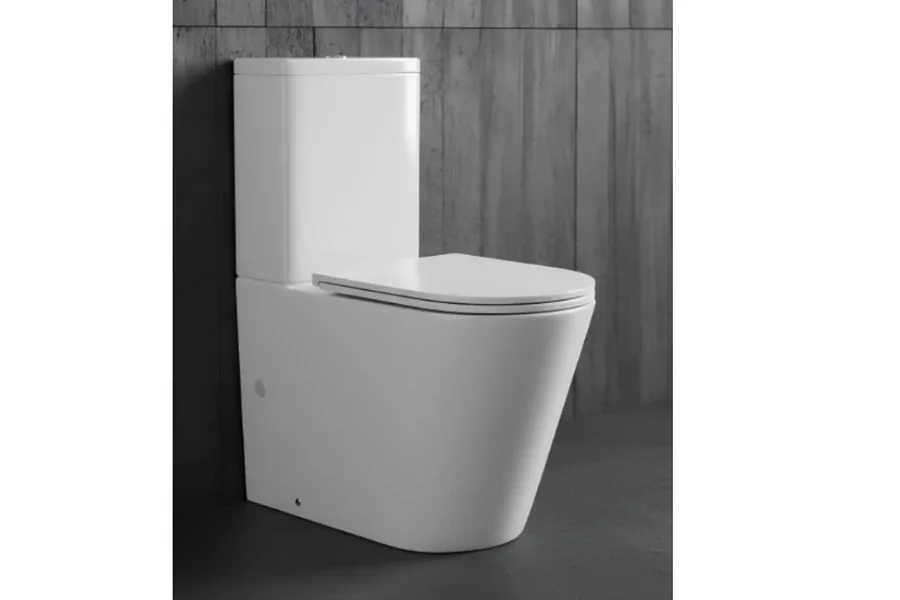
Smart toilets promise comfort, hygiene, and high‑tech features, but many homeowners mainly want to know if they save water and energy. A modern model such as the Lukka Ceramic Back to Wall Smart Toilet 684x408x474mm shows how far this technology has come. It combines a sleek gloss white design with an integrated bidet, adjustable wash, self‑cleaning nozzle, heated seat, warm air drying, and foot‑induction flushing. These features sound luxurious, yet they also aim to reduce waste and improve efficiency. This blog explains how smart toilets use water and power, which features deliver real savings, and how you can set up and use them to lower your utility bills without giving up comfort or cleanliness at home.
Do Smart Toilets Really Save Water and Energy?
Dual Flush Systems and Water-Saving Technology
Modern smart toilets often use dual flush systems to cut water use per flush. These systems give you two options: a smaller flush for liquid waste and a full flush for solid waste. By choosing the lighter flush most of the time, households can save thousands of liters each year. Many smart toilets also use efficient bowl design and powerful jet or siphon technology, so they need less water to clean the bowl effectively. Models like the Lukka Ceramic Back to Wall Smart Toilet pair this with an integrated bidet function. Because you use far less toilet paper, you avoid repeat flushes. The nozzle’s self‑cleaning cycle also uses precise amounts of water, which reduces waste compared with manual bidet sprays or older toilet designs.
Energy Use of Heated Seats and Smart Features
Smart toilets do draw electricity, especially when they have heated seats, warm air drying, and automatic flushing. A heated seat and dryer, like those on the Lukka Ceramic Back to Wall Smart Toilet, use most of the power. However, many models limit energy use through thermostats, timers, and eco modes. They keep water and seats warm only when needed, rather than running at full power all day. LED displays, sensors, and controllers use very little power on standby. When you compare this with the savings from reduced toilet paper, fewer clogs, and less re‑flushing, energy use can remain modest. The real impact depends on your settings, how many people use the toilet, and whether you enable power‑saving modes during hours when the bathroom stays empty.
How Do Smart Toilet Features Improve Efficiency?
Sensor-Based Flushing and Automatic Controls
Sensor‑based flushing plays a key role in water efficiency. Many smart toilets use seat or foot sensors to detect when a person finishes using the toilet. The Lukka Ceramic Back to Wall Smart Toilet, for example, includes foot‑induction flushing. This reduces double flushes, because users do not press the wrong button or flush out of habit. The system delivers the right flush volume every time. Automatic controls also prevent “courtesy flushes” that waste water. Some models adjust flush strength based on usage, while others use pre‑programmed settings to manage volume. Because the toilet handles timing and intensity, you limit over‑flushing. These technologies help households maintain consistent water use patterns, which leads to lower water bills and less stress on local water supplies.
Eco Modes and Energy-Saving Functions
Eco modes help control power use without losing comfort. Many smart toilets offer seat temperature settings, dryer strength levels, and automatic sleep functions. With the Lukka Ceramic Back to Wall Smart Toilet, you can use a warm seat and air drying when the bathroom sees regular use, then rely on low‑power or off settings overnight or while you are away. Some models learn your daily patterns and reduce heating during long idle periods. Others switch to low‑temperature standby modes that use minimal electricity. You can often disable non‑essential features such as strong night lights or high dryer speeds. By combining eco modes with good user habits, you reduce power consumption while keeping the benefits of a bidet wash, self‑cleaning nozzle, and touch‑free convenience.
Water Pressure Control and Optimized Usage
Smart toilets with integrated bidets give you multiple water pressure and spray options. This control lets you choose the lowest pressure and shortest wash time that still feels effective. The Lukka Ceramic Back to Wall Smart Toilet uses an adjustable wash with a self‑cleaning nozzle, so you get targeted cleaning without wasting water. Because the wash is precise, you rely less on toilet paper, which lowers the number of flushes needed to clear the bowl. Many smart toilets also regulate tank refills or direct water supply flows, so they use only the necessary amount per cycle. Over time, this optimization adds up: fewer heavy flushes, less re‑washing, and more efficient use per visit. These design details help smart toilets outperform traditional models on total water consumption.
How Can You Maximize Water and Energy Savings?
To get the best savings from a smart toilet, start with the settings. Lower seat and water temperatures to the mildest level you find comfortable, and shorten dryer time. Use eco or sleep modes on a schedule, especially at night or when nobody is home. For the bidet, choose moderate pressure and brief washes to avoid unnecessary water use. Teach everyone in the home to use dual flush options correctly and rely on the sensor or foot‑induction flushing, like the system in the Lukka Ceramic Back to Wall Smart Toilet, instead of extra manual flushes. Keep the nozzle and filters clean so the toilet performs well without repeat cycles. Finally, track your water and energy bills over a few months to see real savings and adjust settings if needed.
Conclusion
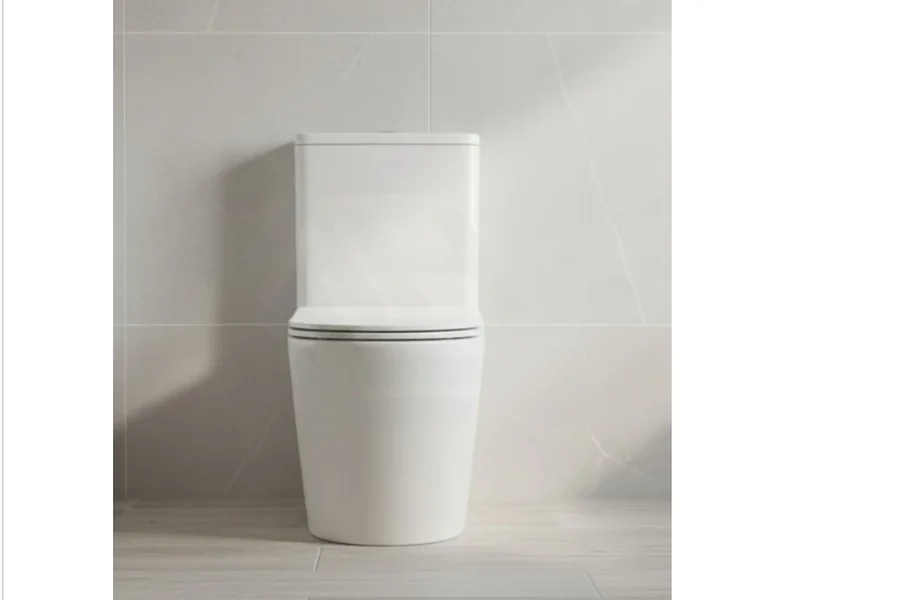
Smart toilets can save water and energy when you use them wisely and choose efficient settings. Features like dual flush systems, sensor‑based or foot‑induction flushing, and adjustable bidet washes reduce water waste by delivering only what each use requires. Energy‑drawn by heated seats and warm air dryers stays manageable if you enable eco modes and limit high‑heat operation. The Lukka Ceramic Back to Wall Smart Toilet shows how a glossy, modern design can combine hygiene, comfort, and thoughtful efficiency in one unit. By tuning temperatures, wash times, and flushing options, you cut utility costs while improving bathroom hygiene. Over time, those savings support both your budget and a more sustainable home.

 By
By
 By
By