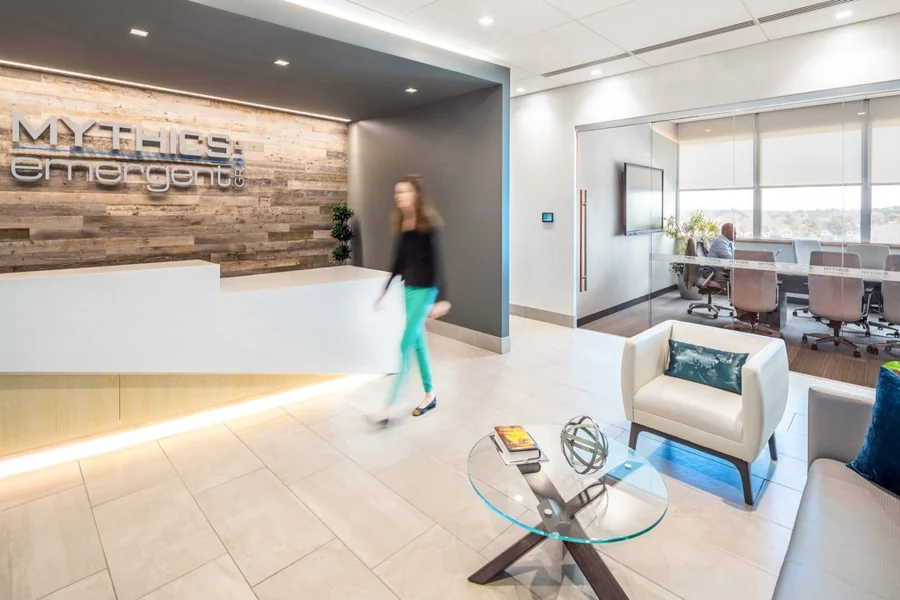
You can tell a lot about a company when you enter its office. Before anyone offers you a coffee, before you exchange a handshake or even glance at a mission statement on the wall, the space speaks. And if that space is designed thoughtfully, it doesn’t just whisper — it tells you everything.
In 2025, office interior design has gone well beyond choosing office furniture and polished floors. It’s about understanding corporate culture at a core level — before it even steps through the door. But how exactly does design interpret values, personality, and purpose? And more importantly, how do office interior designers manage to get that translation right?
Let’s unpack this.
Culture First, Layout Second
Forget about open plan vs. cubicles for a moment. The real question is: How does your team work? If your corporate culture thrives on collaboration, then glass walls, breakout zones, and huddle spaces make sense. But if focus and privacy are key values, maybe acoustically treated private pods or quiet corners are better suited.
That’s where the conversation with your designer should begin – not with Pinterest boards, but with a deep dive into your company’s soul.
- What gets your team excited on a Monday morning?
- How do you celebrate wins?
- What behaviours do you want your space to reinforce?
Only when these answers are clear can the design process truly begin.
It’s Not About Slapping a Logo on the Wall
Here’s the honest truth: corporate branding in office design has often been reduced to some half-hearted vinyl stickers and an oversized company logo behind reception. But that’s not culture—that’s advertising.
True brand-aligned design is way more subtle. A sustainability-driven business might use reclaimed wood and lots of daylight. A forward-thinking tech startup might lean into modular furniture and flexible meeting rooms. A company that champions wellness? Think biophilic design, wellness rooms, filtered air, and ergonomic everything.
The best office interior designer knows this. They know your brand isn’t just a colour scheme or a tagline—it’s the way your space makes people feel. And they use design elements to shape that emotional experience.
Emotional Architecture: Yes, It’s a Thing
Let’s talk about emotional architecture, because it’s not some fluffy buzzword—it’s real, and it works. Imagine walking into a room and immediately feeling calm, energised, inspired, or focused. That’s emotional architecture at play. It uses light, scale, sound, materials, and even temperature to support the mood you want people to embody at work.
Companies often want their teams to feel connected, energised, and aligned with the company’s mission. Good design can nudge those feelings into existence. And no, it doesn’t require a meditation room and a juice bar (though that’s nice too). Sometimes, it’s just about where the morning light hits or the angle of a hallway that encourages people to bump into each other for casual collaboration.
Listening Spaces, Not Echo Chambers
A common mistake? Designing offices for leadership only.
Your CEO probably spends more time in a conference room or travelling than in their office. Meanwhile, your staff, who are the pulse of the company, sit in spaces that were never designed with their comfort or needs in mind.
That’s why the smartest office interior designers, where tech parks and startup culture are booming, start with user interviews. They ask employees about how they work, what frustrates them, and what energises them. Then they build those insights right into the walls.
The result? Offices that don’t just look good in photos but work in real life.
Designing for Hybrid Reality
We can’t ignore the post-pandemic shift: the hybrid workplace is here to stay.
This presents a new design challenge. How do you build a space that’s just as effective for the people who come in three days a week as it is for those who are full-time? And what about visitors, vendors, and remote meetings?
Office design today must do more than accommodate people—it needs to anticipate movement. Think hot-desking zones with smart lockers. Plug-and-play workstations that don’t need IT to set up. Quiet booths for Zoom calls. Lounge-style areas for informal catch-ups. Workplaces that function like mini ecosystems, adapting to every type of user without losing the company’s identity.
Design with a Bias Towards Belonging
Culture isn’t just what’s written in your handbook—it’s how people experience work, day in and day out.
Design can either reinforce exclusion or cultivate belonging. Something as simple as the placement of gender-neutral bathrooms, the height of counters, or the availability of prayer rooms can speak volumes about a company’s inclusivity. Thoughtful choices around accessibility, sensory comfort, and capitalsreport cultural relevance make all the difference.
If your values include diversity, inclusion, and equity, does your office show it? Or does it unintentionally do the opposite?
This is where the rubber meets the road. Good design isn’t about looking woke—it’s about making sure everyone feels welcome.
The Role of Storytelling in Office Design
Storytelling through design isn’t just for retail or hotels. Your office can tell a compelling story, too, without saying a word.
- The wall showcasing team photos from over the years? That’s legacy.
- The open-plan kitchen where everyone shares a meal? That’s community.
- Are the materials sourced from artisans in your city? That’s the purpose.
And because the reception area is often the very first chapter of that story, exploring thoughtful reception area design can help reinforce the message you want people to feel immediately upon arrival. These aren’t just design choices; they’re narratives. And narratives, especially when physical and visible, are powerful tools for reinforcing culture.
Office Interior Designers as Cultural Translators
The best interior designers aren’t just decorators — they’re translators. They take abstract values like innovation, trust, or agility, and give them physical form. They listen to what leadership wants, what employees need, and what the brand represents, and then bring all three together in spatial harmony.
It’s part science, part art, and a lot of empathy.
Especially in places like Noida, where fast-paced tech firms and creative agencies collide with traditional industries, the right designer knows how to merge the old with the new. Not just visually, but culturally.
So if you’re looking for office interior designers in Noida, prioritise those who lead with questions, not mood boards.
When Design Gets It Wrong
Let’s be honest—not every office nails it. Maybe you’ve worked somewhere with beautiful interiors but zero practicality. Or where it looked good on opening day, then became dysfunctional within weeks.
That’s what happens when culture isn’t factored into the blueprint.
An aesthetic lobby is nice. But if your sales team can’t concentrate because the glass meeting room echoes like a church, your office has missed the point. If your remote-first team has nowhere to plug in, charge up, or call in, the office becomes an expensive showroom.
Design must evolve with the company; not be stuck in the moment it was conceived.
Let the Culture Speak First
Before selecting chairs or paint swatches, ask yourself:
What do we stand for?
What should this space say about us, without words?
A well-designed office is a mirror. It reflects who you are, what you value, and how you treat your people. And if done right, that reflection will speak volumes before anyone even says hello.
In today’s world, where people can work from anywhere, the physical workspace has to earn its relevance. It’s not enough to be pretty. It must be purposeful. It has to make people want to show up—not just because they’re expected to, but because they feel something when they do.
So don’t just build an office. Build a culture-forward experience. One that listens, adapts, and inspires—long before the first person walks in.


 By
By