Have you noticed how online gaming has moved from a niche hobby to a normal part of everyday life? That shift says a lot about how people play, connect, and relax now. It is not only about screens and fast reactions. It also reflects changing habits around social time, competition, and entertainment.
The growth of online gaming shows that modern play is less tied to a single place or device than it used to be. People can join from home, on a commute, or during a short break, and that flexibility matters. It also means play is no longer just for children or for people with lots of free time. It fits into busy adult schedules too.
When you look closely, online gaming is not just a trend in entertainment. It is a sign that people want shared experiences, quick access, and more control over how they spend their free time. That says a lot about modern habits and expectations.
What Online Gaming Reveals About Modern Play
Online gaming has changed the basic idea of play, and that change is easy to see once you look at how people use it.
Play Is Now More Social
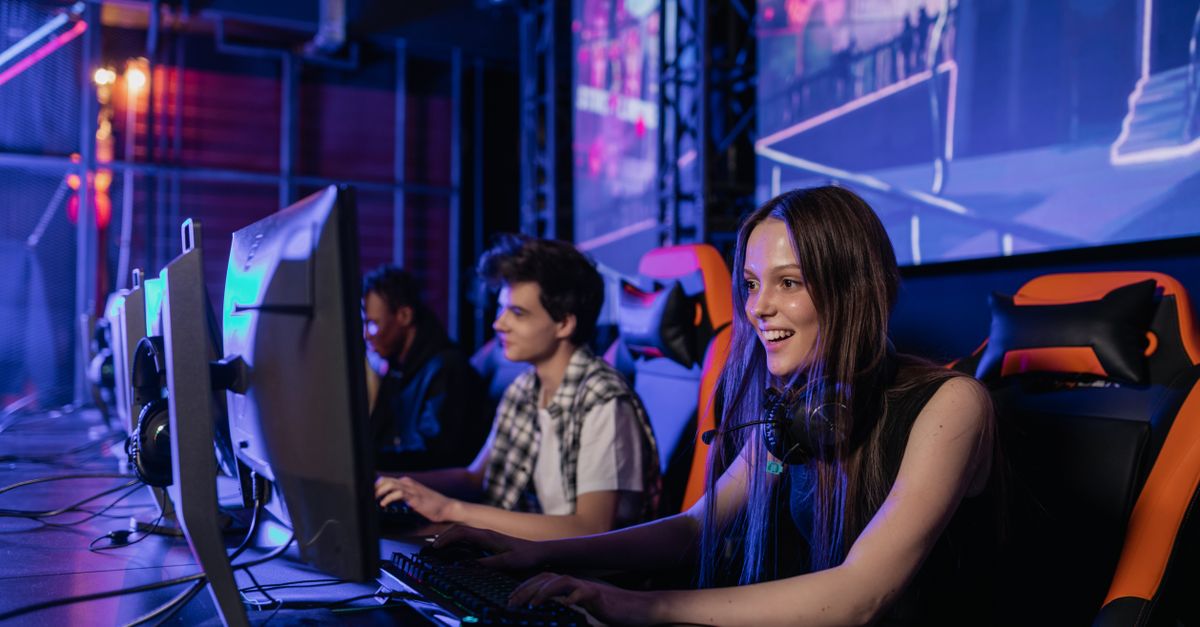
Traditional play often meant being in the same room with friends or family. Online gaming keeps that social side, but removes location as a barrier. People can talk, compete, cooperate, and joke around with others who may live far away. That matters because modern life can be busy and spread out, yet people still want shared fun.
For many players, the social part is just as important as the activity itself. A match, a chat, or a team task can create a sense of connection that feels natural and low pressure. That is one reason online gaming has become a regular way to keep in touch.
Play Fits Into Shorter Time Windows
Modern schedules are often fragmented, so entertainment has adapted. Online gaming can work in short sessions, which makes it easier to fit into a day filled with work, study, or family duties. A person does not always need a long block of time to feel like they have played something meaningful.
This shift says a lot about modern play habits. People still want depth and challenge, but they also want options that match real life. Online gaming gives them that balance by making play flexible without making it feel empty.
Why Access Matters So Much
One reason online gaming has grown so quickly is that access is easier than ever.
Lower Barriers Bring More Players In
In the past, many forms of gaming needed specific hardware, a shared space, or even a local group of players. Now, access is far simpler. A person can join a game from a phone, tablet, laptop, or console, depending on what they already own. That lowers the barrier for entry and opens play to more people.
This wider access also changes who gets to participate. Online gaming no longer belongs to one age group or one type of player. It has become part of everyday leisure for students, workers, parents, and older adults too. That broad appeal says modern play is less about gatekeeping and more about convenience.
In that sense, the rise of YOI4D reflects a broader pattern in digital entertainment, where people expect quick access and clear entry points. The format matters because modern users often want to start fast and spend more time playing than setting things up.
Choice Shapes The Experience
Online gaming also gives players more control over how they play. They can choose solo modes, group play, competitive matches, or lighter social sessions. That freedom fits a time when people expect entertainment to adapt to their mood instead of forcing one fixed format.
Modern play is increasingly personal. Some people want a calm break, others want fast competition, and others just want to hang out. Online gaming supports all of those goals in one place, which helps explain its steady growth.
How Online Gaming Reflects Social Habits
The rise of online gaming also tells us a lot about how people relate to each other now.
Connection Often Happens Through Activity
Many people do not want social time that feels formal or forced. Online gaming offers a shared activity that gives conversation a natural rhythm. Players can talk while doing something together, which often feels easier than sitting down for a formal chat.
This matters because modern social life can be scattered. Friends may live in different cities, work different hours, or keep different routines. Online gaming helps fill that gap by giving people a regular place to meet without needing the same physical setting.
Competition Is Still Popular, But It Has Changed
People have always liked competition, but online gaming has changed how competition feels. It can be quick, repeatable, and easy to share. Players can test skills, compare results, and improve over time without needing a formal sports setting or a large group.
That makes competition feel more open. It is not only for highly trained players. It is for anyone who enjoys a challenge and wants to measure progress. Modern play often blends fun and skill in this way, and online gaming shows how normal that blend has become.
What It Says About Attention And Habits
Online gaming also reflects how people use attention in a busy digital age.
People Want Fast Entry And Clear Feedback
Modern users often expect quick starts, simple menus, and immediate feedback. Online gaming fits that pattern very well. Players can see results right away, learn through repetition, and adjust their approach without waiting long for rewards or responses.
That kind of feedback loop matches how many people now use digital media in general. They want to know what is happening, how they are doing, and what comes next. Online gaming meets that need while still leaving room for skill and patience.
Play Has Become Part Of Daily Routine
For many people, gaming is no longer a special event. It is part of a daily rhythm, like checking messages, listening to music, or watching short clips. That does not reduce its value. It just shows that play has become more integrated into ordinary life.
In some cases, people even use games as a small reset between tasks. A short session can help them shift focus or relax for a moment. That practical role helps explain why online gaming has become such a common habit.
That same routine-based behavior is why many players keep returning to YOI4D DAFTAR as a familiar entry point in their leisure time. When entertainment fits neatly into daily habits, it tends to stay relevant for longer.
What The Growth Means For The Future Of Play
The growth of online gaming points to a future where play is even more connected to everyday life.
Play Will Keep Blending With Social Life
As more people use digital tools to stay connected, play will likely keep serving a social role. Games are no longer isolated from communication. They are part of how people meet, talk, and spend time together. That makes them more than entertainment. They become part of social maintenance.
This also suggests that future play will keep favoring shared, flexible formats. People want options that work across distance, time zones, and schedules. Online gaming already fits that need, which is why it has grown so quickly.
Modern Play Values Flexibility And Control
At its core, the rise of online gaming shows that modern players value control. They want to choose when to play, how long to play, and who to play with. They want entertainment that fits their lives instead of forcing them to rearrange their lives around it.
That is the clearest lesson here. Modern play is not only about stronger technology or bigger audiences. It is about giving people more ways to connect, compete, and relax on their own terms. Online gaming has grown because it matches that very human need.
So when people ask what the growth of online gaming says about modern play, the answer is simple. It shows that play has become more social, more flexible, more personal, and more woven into everyday routines. That is a big shift, and it tells us a lot about how people want to spend their time now.

 By
By