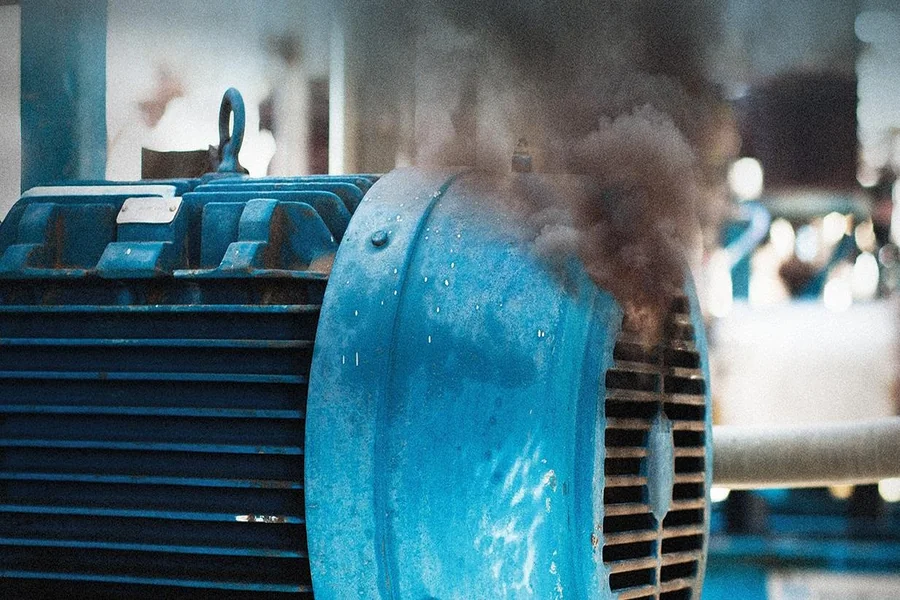
When it comes to keeping vital machinery running smoothly, we often think of engines, electronics, or software. However, the true heroes are often the smallest, most overlooked components. Equipment reliability often depends on these tiny parts quietly doing their job.
The Role of Small Parts
Think of small parts as the foundation of your machinery. They are the screws, seals, bearings, wires, and gaskets that hold everything together. Misunderstanding their importance might seem harmless until one of these small components fails and causes large-scale breakdowns.
The Domino Effect of Small Component Failures
Even the tiniest malfunction can have a ripple effect on entire systems. An industrial press might come to a halt because of a failed bearing. A multi-million-dollar assembly line could be derailed by a worn gasket. These small parts may not catch your attention initially, but ignoring their condition has serious consequences.
Materials and Manufacturing
The performance and longevity of small parts largely depend on the materials used and how they are manufactured. These factors determine their ability to withstand stress, temperature changes, and exposure to harsh industrial environments.
Why Material Selection Matters
Choosing the right material for small components can mean the difference between consistent performance and sudden failure. For instance:
- Seals and Gaskets need to resist heat and corrosive chemicals. Using substandard materials here might lead to leaks and equipment failure.
- Bearings in high-stress environments should be made of hardened steel or ceramics to maximize their lifespan and reduce wear.
Manufacturing and Quality Control
Precision is critical when it comes to producing small parts. Custom wire technologies, for instance, have revolutionized the production of finely-tuned components. Manufacturing processes like CNC machining and additive manufacturing (3D printing) ensure that every minute detail is accurate, reducing the chance of faulty parts finding their way into your equipment.
Strict quality control measures further eliminate errors, ensuring each component meets specifications before it goes to work. Materials are tested for stress, while parts are inspected for any imperfections that could become weak points.
Investing in quality manufacturing and high-grade materials from the start can save industries the headaches of unexpected downtime or costly replacements later.
Maintenance Best Practices
Regular maintenance plays a pivotal role in extending the life of both equipment and its small parts. Failing to replace even trivial components on time can lead to larger, more expensive issues.
Establishing a Maintenance Schedule
One of the most effective ways to avoid malfunctions is by setting up a routine maintenance plan. This typically includes:
- Daily Checks: Inspect critical areas and prioritize high-use components like seals, bearings, and belts.
- Monthly Reviews: Evaluate wear-and-tear items such as wires or bolts.
- Yearly Overhauls: Replace components approaching the end of their lifespan.
Document all inspections and replacement schedules. This approach not only reduces surprises but also creates a database that can guide future decision-making.
OEM Parts vs. Generic Replacements
When replacing small parts, always aim for OEM (Original Equipment Manufacturer) components instead of generic alternatives. OEM parts are specifically designed to meet the original specifications of the machinery, ensuring a seamless fit and optimal performance. Though generic parts may seem cost-effective initially, they can compromise reliability in the long run.
Predictive Maintenance Technologies
Advancements in predictive maintenance technologies are creating a game-changer for industries prioritizing reliability. By proactively monitoring components, companies can detect problems before they result in failures, saving both time and money.
Harnessing Sensors and Data Analytics
Sensors embedded in machinery provide real-time data on small part performance, such as temperature, vibration, and pressure. For example:
- Vibration Sensors detect irregularities in rotating parts like bearings, signaling potential failures early.
- Thermal Sensors monitor heat levels to identify overheating components, ensuring a timely fix before damage escalates.
This data is then analyzed using predictive algorithms. By studying historical patterns and trends, predictive maintenance systems forecast potential breakdowns and recommend preemptive actions.
Why Predictive Maintenance Matters
By incorporating predictive technologies, industries can:
- Reduce unplanned downtime
- Extend the lifespan of equipment
- Optimize maintenance schedules
- Lower overall costs
Industries leveraging predictive maintenance not only keep operations smooth but also gain a competitive edge by improving efficiency and reducing waste.
Conclusion
The reliability of any equipment ultimately rests on its smallest components. These unsung heroes, from bearings to seals, play an indispensable role in keeping industries running smoothly. By focusing on quality materials, expert manufacturing, diligent maintenance, and predictive technologies, businesses can mitigate risks and ensure efficiency.


 By
By