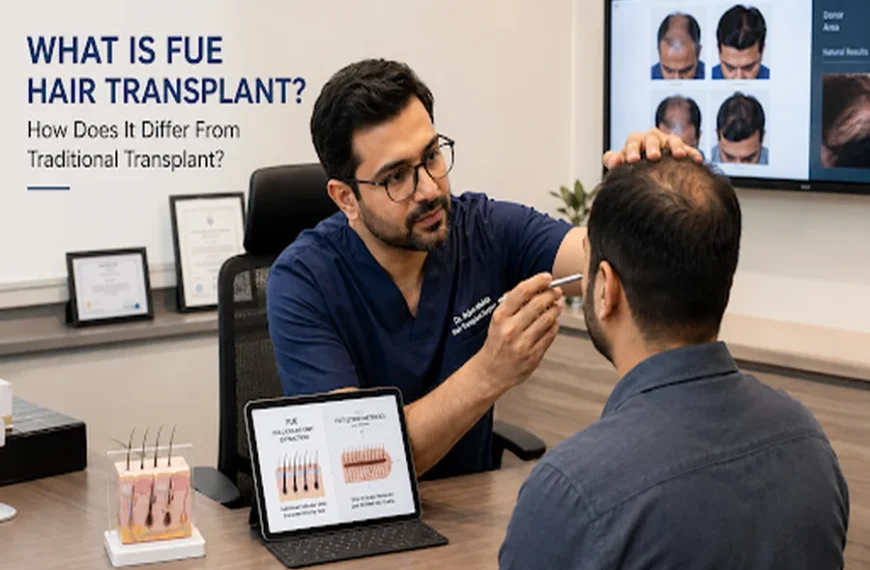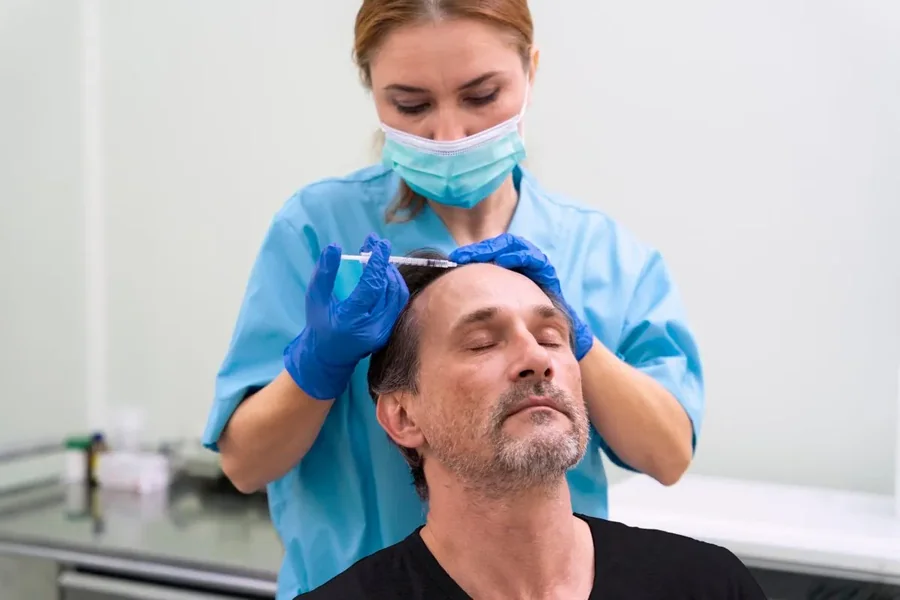
In the evolving world of aesthetic medicine, hair restoration has transitioned from a cosmetic luxury to a biotechnological marvel. Clinics offering the Best Hair Transplant in Hyderabad are no longer just redistributing hair, they are rebuilding confidence through cellular science and regenerative innovation. What was once a manual surgical procedure has now transformed into a blend of artificial intelligence, bioengineering, and tissue regeneration ushering in a new era where hair restoration aligns with the same principles that govern how our bones and muscles grow stronger after injury.
Just like skeletal muscles repair through cellular regeneration and bone tissue strengthens in response to stress, modern hair transplant technologies are harnessing the body’s natural healing mechanisms to stimulate follicular regrowth. This shared biological principle repair through regeneration forms the bridge between hair restoration and systemic health.
The Evolution from Transplantation to Regeneration
A decade ago, hair transplants were largely mechanical, extracting follicles from the donor area and implanting them into bald zones using the FUT (Follicular Unit Transplantation) or FUE (Follicular Unit Extraction) methods. While effective, these procedures relied heavily on the surgeon’s skill and manual dexterity, with limited influence over the body’s natural regenerative response.
Today, however, regenerative medicine has changed everything. Technologies like Platelet-Rich Plasma (PRP), stem cell-assisted transplants, and exosome therapy are redefining the success metrics of hair restoration. Instead of merely relocating follicles, these methods rejuvenate dormant hair roots and promote tissue healing at the cellular level.
This transformation mirrors orthopedic and sports medicine, where platelet-based therapies are used to accelerate muscle recovery and bone healing. The parallel is clear: both hair and muscle tissues depend on the same growth factors platelet-derived proteins, cytokines, and fibroblasts, to regenerate.
Stem Cells and the Rise of Follicular Bioengineering
Stem cell-based hair restoration represents the most exciting frontier in trichology. These cells, harvested from the patient’s adipose tissue or scalp, possess remarkable self-renewal properties. When reintroduced into the scalp, they create a microenvironment conducive to follicular regeneration by releasing signaling molecules that awaken inactive hair follicles.
This approach is often compared to bone marrow therapies used for musculoskeletal injuries—where stem cells rebuild tissue by promoting collagen and vascular formation. In both cases, the goal is not replacement but regeneration.
Leading clinics in Hyderabad and across India are already experimenting with autologous stem cell-enriched transplants, combining traditional FUE with biologically active cell infusions. This technique enhances both graft survival and density, especially in patients with extensive hair thinning or scarring alopecia.
What makes this technology revolutionary is its sustainability, hair that regrows through regenerative support tends to be healthier, thicker, and more resistant to future loss.
The Role of Artificial Intelligence in Hairline Design
While regenerative science addresses biology, artificial intelligence has revolutionized the art and precision of hair restoration. AI-assisted software now maps scalp topography, calculates follicular density, and simulates the post-transplant outcome with mathematical precision.
Using real-time data, these systems determine the optimal direction, angle, and depth for graft insertion ensuring that the transplanted hair blends seamlessly with the natural pattern. AI integration has also minimized human error, shortened surgery time, and improved graft survival rates.
This synergy between human expertise and machine precision echoes the same technological shift seen in orthopedic rehabilitation, where AI-driven gait analysis or muscle-movement tracking tools guide personalized therapy. Both applications demonstrate how data intelligence can refine biological processes, leading to superior outcomes.
Micrografting, Robotics, and Minimally Invasive Precision
The shift toward micrografting and robotic-assisted follicular extraction has made modern hair transplants gentler and more efficient. The new generation of devices can identify viable follicles with optical sensors and extract them without damaging surrounding tissue. This precision not only preserves donor density but also reduces trauma, accelerating post-operative healing.
In essence, the process is becoming more like microsurgery, a regenerative reconstruction rather than a conventional grafting task. Robotics ensures uniformity and consistency, while surgeons focus on artistry and aesthetic design.
Post-procedure recovery is now faster than ever. Patients often experience minimal scarring and return to normal activity within days. This rapid tissue recovery is once again linked to the body’s regenerative capacity, the same cellular processes that strengthen muscles after exertion and bones after micro-fractures.
Exosome Therapy: The Future of Cellular Communication
While PRP and stem cells rejuvenate follicles through direct stimulation, exosome therapy enhances cellular communication. Exosomes are microscopic messengers that carry genetic and protein information between cells, triggering regenerative responses.
When applied to the scalp, exosomes encourage the formation of new blood vessels (angiogenesis), reduce inflammation, and stimulate the growth phase (anagen) of the hair cycle. In doing so, they mimic the body’s natural repair communication seen in tissue healing after bone fractures or muscle tears.
Many hair restoration specialists believe exosome therapy could soon surpass traditional PRP in efficacy, offering a non-surgical regenerative treatment with minimal downtime. It’s biotechnology at its most elegant repair without replacement.
The Biological Connection Between Hair and Muscle Strength
Although hair and muscles seem unrelated, they share fundamental biological pathways. Both depend on collagen synthesis, protein metabolism, and circulatory efficiency. A weak cardiovascular system or nutrient deficiency impacts not just muscle tone but also scalp oxygenation directly affecting hair growth.
Modern trichology acknowledges this relationship. That’s why many top hair restoration doctors now collaborate with nutritionists and endocrinologists to design integrated health programs that strengthen both body and scalp vitality. Supplements like biotin, amino acids, and vitamin D support collagen formation and keratin synthesis—key structural elements in both hair and muscle tissues.
For individuals who wish to understand the nutritional and physical aspects of tissue resilience, this detailed guide on keeping bones and muscles strong offers valuable insights that align with the same biological principles driving advanced hair restoration.
Sustainability and Ethical Innovation in Indian Hair Restoration
India’s rise as a hub for advanced cosmetic and regenerative medicine has also brought renewed focus on ethical innovation. Clinics performing high-tech transplants are emphasizing transparency in donor area management, patient education, and long-term sustainability.
For example, surgeons now calculate safe donor extraction zones to prevent overharvesting and use regenerative serums to encourage follicular recovery in donor regions. Biocompatible solutions are preferred over synthetic chemicals, ensuring both safety and environmental responsibility.
This commitment to ethical and biological sustainability reflects the same direction modern Indian healthcare is taking toward responsible, regenerative, and patient-centric care.
Conclusion
Hair transplant technology today stands at the intersection of art, science, and regenerative medicine. The focus is shifting from transplanting hair to reactivating biology from surgical intervention to cellular communication. Whether through stem cells, exosomes, or AI-assisted precision, the modern transplant is less about covering baldness and more about reviving natural growth potential.
This holistic approach draws parallels with how our bodies strengthen bones and muscles through micro-regeneration and adaptive stress. Both processes remind us that healing and restoration are rooted in cellular intelligence.
As India continues to lead in affordable, world-class regenerative medicine, cities like Hyderabad are setting new standards for excellence in aesthetic biotechnology. The future of hair restoration is not just about aesthetics, it’s about understanding and amplifying the body’s innate power to heal, regenerate, and grow stronger, one cell at a time.
For more insights into how maintaining internal strength impacts overall tissue health, visit this resource on what you can do to keep your bones and muscles strong. Because whether it’s a follicle, a bone, or a muscle, the secret to lasting strength lies within the science of regeneration.


 By
By