
Streaming videos on your smartphone has become a daily activity, whether it’s for entertainment, education, or social media. However, a seamless streaming experience requires more than just a strong internet connection. Optimizing your smartphone can significantly enhance the video quality, reduce buffering, and extend battery life. With a few simple adjustments, you can enjoy smoother streaming, even in areas with lower network speeds. In this guide, we’ll explore key tips to help you optimize your smartphone for streaming videos, ensuring you get the most out of every viewing experience.
Key Tips for Optimizing Your Smartphone for Streaming
Clear Your Cache and Free Up Storage
Over time, apps accumulate cache files and temporary data that can slow down your smartphone and hinder streaming performance. Clearing your cache regularly helps to free up storage space and ensures your apps run more efficiently, and platforms like my-muse often recommend this practice for optimal performance. When your device has enough storage space, apps can operate without delay, and your streaming experience becomes smoother. To clear your cache, go to the settings of your device, select the apps that take up significant space, and clear their cache. Additionally, delete unnecessary files, such as old videos and photos, to create room for optimal streaming performance.
Update Your Apps and Operating System Regularly
Outdated apps and operating systems can cause compatibility issues that affect streaming quality. Developers frequently release updates to improve app performance and fix bugs that may disrupt video playback. Keeping your apps and OS up-to-date ensures that you’re using the latest features and optimizations for streaming. If you’re wondering does Netflix work on huawei, it’s essential to check that both the app and the operating system are current to ensure smooth functionality. Turn on automatic updates for both apps and your device’s operating system to avoid missing important patches. Regular updates help maintain smooth video playback, prevent crashes, and enhance the overall functionality of your smartphone, allowing you to enjoy your favorite shows without interruptions or glitches.
Disable Background Apps to Save Resources
Running multiple apps in the background can drain your smartphone’s resources, leading to lag and buffering during streaming. Disabling background apps allows your device to allocate more processing power to the streaming app. To improve your streaming experience, close unnecessary apps by using the app switcher or setting them to automatically close after use. For a smoother experience and access to a wide range of shows, you can visit https://my-drama.com/. Additionally, disable notifications and location services while streaming to further conserve your phone’s resources. By optimizing the number of active apps, you ensure that your phone’s processing power is dedicated to delivering high-quality video streams without interruptions.
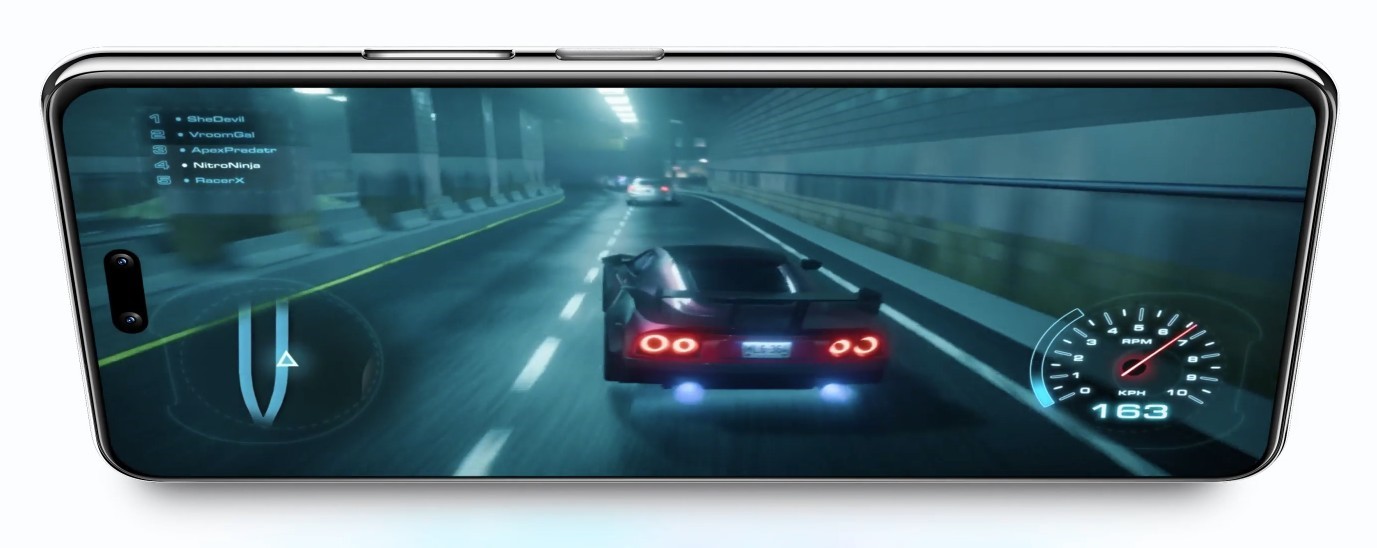
How to Improve Streaming Performance on Mobile Data?
Choose the Right Data Plan for Streaming
Choosing a data plan with sufficient bandwidth is crucial for uninterrupted streaming. Many mobile data plans offer limited data, which can cause buffering or even video quality downgrades once you reach your data cap. Opt for a plan that provides unlimited data or at least high-speed data with no throttling. Some carriers offer specific plans designed for streaming, ensuring that your video quality remains high even on mobile data. Before subscribing, research different carriers’ data packages and select the one that best meets your streaming needs, allowing you to stream without worrying about data limits.
Enable Data-Saving Features in Streaming Apps
Many streaming apps have built-in data-saving modes that reduce the video quality while still offering a decent viewing experience. These features are especially useful when using mobile data. By lowering the video resolution, you can conserve your data and prevent excessive usage while still enjoying content. To activate this feature, go to the settings within the streaming app and select a lower video quality option. This adjustment can significantly reduce data consumption, extending your data plan’s lifespan, especially if you’re streaming multiple hours of content during the day or are on a limited data plan.
Optimize Mobile Hotspot Settings for Streaming
If you’re using a mobile hotspot to stream videos, optimizing its settings can improve performance. Ensure that the hotspot is in close proximity to the device you’re streaming on and minimize interference from other devices. Set the hotspot to use the 5GHz band if possible, as it provides faster speeds and less congestion than the 2.4GHz band. Additionally, limit the number of connected devices to prevent bandwidth sharing, which can slow down streaming quality. By optimizing your hotspot settings, you can enhance video quality and minimize buffering when streaming over a mobile network.
Conclusion
Optimizing your smartphone for streaming videos is essential for ensuring a seamless viewing experience. By clearing cache, updating apps, disabling background apps, and choosing the right mobile data plan, you can improve your device’s performance significantly. Additionally, enabling data-saving features and optimizing your mobile hotspot settings can help you manage your data usage while maintaining streaming quality. With these simple adjustments, you can enjoy smoother, higher-quality video streaming no matter where you are, ensuring that you never miss out on your favorite content. Make these changes today to get the most from your mobile streaming experience.

 By
By