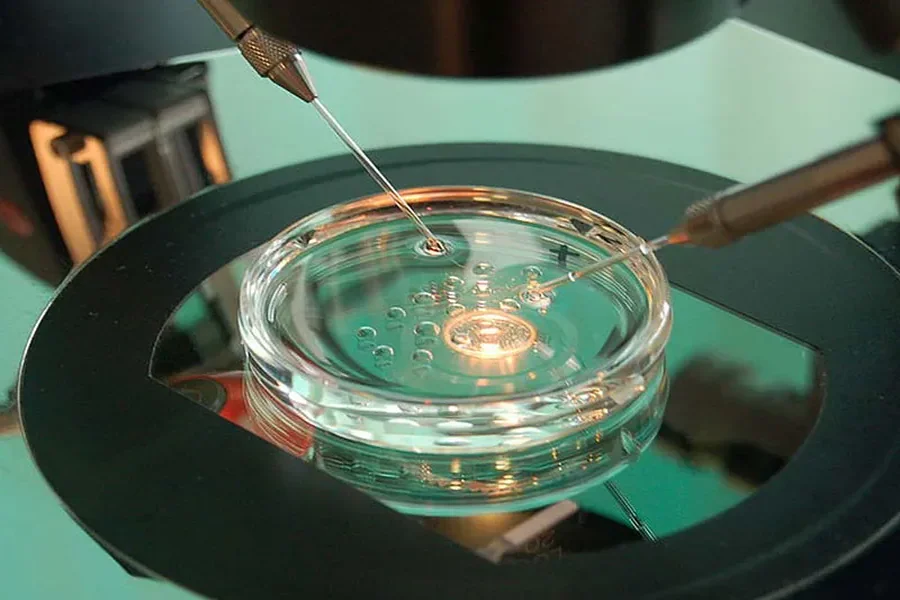
When we talk about fertility, we often think of hormones, age, or lifestyle choices. Yet, at its core, reproductive health depends on one fundamental factor, cellular strength. Every embryo, every egg, and every sperm is a microcosm of life’s resilience, powered by the same biological processes that keep our bones and muscles strong. It is this shared foundation that modern reproductive medicine is now exploring through advanced in-vitro fertilization (IVF) technologies. At the forefront of this evolution are clinics led by One of the Best IVF Doctors in India, who are merging cellular biology, regenerative medicine, and data-driven innovation to create more successful, sustainable fertility outcomes.
Interestingly, the science behind cellular strength is not limited to reproduction, it’s also what underpins musculoskeletal health. The same mitochondrial energy that fuels muscle repair or bone density plays a critical role in egg and sperm vitality. Understanding this connection helps explain why overall body wellness influences fertility potential.Together, these two domains cellular health and reproductive science represent the frontier of holistic medicine in India.
The Cellular Foundation of Fertility
At the microscopic level, reproductive health begins with energy. Every egg cell and sperm cell depends on mitochondria, the body’s energy factories, to function efficiently. In women, mitochondrial decline is one of the earliest biological signs of aging, affecting egg quality and embryo viability. IVF specialists across India are now using advanced mitochondrial imaging and rejuvenation techniques to assess and enhance egg vitality before fertilization.
Similarly, male infertility, once considered untreatable in severe cases, has found new hope through sperm DNA fragmentation testing and mitochondrial activity analysis. These methods identify subtle defects that conventional tests often miss. By improving cellular health through diet, supplementation, or medical interventions, IVF technology now addresses the root cause of infertility rather than just treating its symptoms.
Mitochondrial Therapy: The New Frontier in IVF
Mitochondrial replacement therapy (MRT), often called “three-parent IVF,” is one of the most groundbreaking innovations in reproductive medicine. Though still in its ethical and regulatory infancy, it allows doctors to transfer the healthy mitochondria from a donor egg into the mother’s egg, ensuring stronger energy potential and higher chances of embryo development.
In India, fertility researchers are exploring safer, less invasive mitochondrial rejuvenation methods using autologous approaches, where the patient’s own biological material is reintroduced into the ovaries to boost cellular function. Clinics in Mumbai, Delhi, and Hyderabad are pioneering such approaches, aligning with India’s growing emphasis on regenerative medicine.
This convergence of cell therapy and IVF demonstrates a profound shift: reproduction is no longer viewed as separate from overall body vitality. Just as strong muscles rely on healthy mitochondria and cellular repair, successful conception depends on the same biochemical foundations.
How AI Is Personalizing Cellular-Level IVF Care
Artificial intelligence has emerged as an invisible yet powerful partner in IVF laboratories. By analyzing thousands of embryo development images, AI can identify cellular patterns that predict successful implantation with remarkable accuracy.
These systems assess factors such as division symmetry, cytoplasmic texture, and cellular metabolic activity, all indicators of how “fit” an embryo is at the microscopic level. The results are then used to personalize treatment plans, reducing unnecessary hormonal stimulation and ensuring that each patient receives a protocol tailored to their cellular health profile.
This kind of precision medicine mirrors the way fitness trackers or bone density scans personalize exercise and nutrition plans for musculoskeletal wellness. The parallel is striking: both fields are moving toward optimization through data-driven insight rather than trial and error.
Regenerative Medicine and Ovarian Rejuvenation
As women delay motherhood for career or personal reasons, ovarian aging has become a major concern. However, regenerative medicine is offering new hope. Through techniques like PRP (Platelet-Rich Plasma) ovarian rejuvenation, doctors inject concentrated growth factors derived from the patient’s own blood into the ovaries. This can stimulate dormant follicles and restore natural hormone balance.
PRP, once used primarily in orthopedic treatments for bone and muscle healing, has now found transformative applications in fertility. The logic is simple: the body’s repair mechanisms are universal. Growth factors that heal a tendon injury can also reawaken ovarian tissue.
This cross-application of regenerative science highlights India’s evolving medical ecosystem where technology, biology, and clinical expertise converge to redefine reproductive possibilities.
The Role of Lifestyle and Cellular Nutrition in IVF Success
While technology drives progress, the foundation of fertility remains biological resilience. The same nutrients that build strong bones and muscles calcium, vitamin D, magnesium, and antioxidants also play crucial roles in reproductive health.
For example, coenzyme Q10 (CoQ10), known for improving heart and muscle energy, also boosts mitochondrial function in eggs and sperm. Omega-3 fatty acids, vital for bone density, enhance embryo development by supporting cellular membranes. This holistic overlap underscores that fertility is not just about the reproductive system, it’s about the body’s overall capacity for cellular renewal.
Many leading fertility centers in India are integrating nutritional genomics into IVF care, tailoring diet plans based on genetic predispositions. These personalized interventions not only enhance IVF outcomes but also promote long-term metabolic and musculoskeletal health.
Ethical Progress and the Indian Context
India’s regulatory framework for assisted reproduction has evolved significantly with the ART (Assisted Reproductive Technology) Regulation Act of 2021. It ensures that technological advancements in IVF adhere to the highest standards of ethics, transparency, and patient safety.
This framework also promotes accountability among fertility clinics, ensuring that treatments such as stem cell-based therapies or genetic screening are used responsibly. As a result, India has gained global recognition for its balance of medical innovation and ethical oversight.
The synergy between research, regulation, and clinical application has placed India among the top fertility destinations in Asia. International patients increasingly choose Indian IVF centers not only for affordability but also for scientific sophistication and personalized care.
The Future: Integrating Fitness, Genetics, and Fertility
The next phase of IVF technology in India will likely merge reproductive care with broader health monitoring systems. Imagine fertility programs that sync with wearable devices tracking ovulation, hormonal fluctuations, sleep patterns, and physical activity. These integrated insights can guide both patients and doctors toward optimal conception windows and treatment timings.
Similarly, genetic counseling, once limited to diagnosing inherited disorders is now evolving into predictive wellness planning. Couples can understand how their genetic makeup affects fertility, metabolic health, and even bone density, allowing for preemptive interventions.
This interconnected approach to health resonates deeply with India’s ancient philosophy of holistic balance—where reproductive wellness is not isolated from physical, emotional, and cellular well-being.
Conclusion
The story of IVF in India is no longer just about helping couples conceive,it’s about leveraging the science of cellular strength to create healthier beginnings. From mitochondrial rejuvenation and AI-driven embryo selection to regenerative ovarian therapy, the nation’s fertility landscape is redefining what’s possible in reproductive science.
As technology continues to merge with biology, the parallels between musculoskeletal health and reproductive vitality become increasingly clear. Both depend on strong cells, balanced energy, and a resilient body ecosystem.
For readers who want to explore how to maintain their body’s foundation of strength through nutrition and exercise, you can read this detailed guide on keeping your bones and muscles strong. Together, these insights reflect the holistic vision of modern medicine, where healing begins not in isolation, but through the harmony of every cell in the human body.


 By
By