Board games have a unique ability to engage people. They may appear simple, and the rules may seem easy to understand, but competition can escalate quickly. Whether it’s Ludo, Carrom, or Snakes and Ladders, each game has its own distinct rhythm. Once that rhythm is established, the experience transforms; it becomes less about chance and more about strategy and thoughtfulness.
There’s also this growing curiosity around online versions and even phrases like “money earning apps games” floating around, but the real focus still stays on gameplay, decision-making, and overall enjoyment. These games are, at their core, about skill, awareness, and timing, not shortcuts.
Understanding the Nature of Each Game
Before getting into tips, it helps to pause for a second and look at how these games actually work. Because they’re not identical, even if they’re often grouped together.
Ludo: More Than Just Dice Rolls
The game of Ludo gets mistaken for a game of luck because people fail to understand its deeper mechanics. Players must decide their next token movement while determining which new token should enter and which tokens must be kept out of the game.
Players need to be careful about their moves because hasty decisions may seem acceptable, but will lead to difficulties in the future. The game performance of players who practice patience shows better results when measured over extended periods.
Carrom: Precision and Control
Carrom is different; it’s less about turns and more about control. Every strike matters. The angle, the force, even the position of the striker; it all adds up.
There’s no randomness here. It’s entirely about how well shots are planned and executed. Missing one shot can shift the flow of the game.
Snakes and Ladders: Simple, Yet Tricky
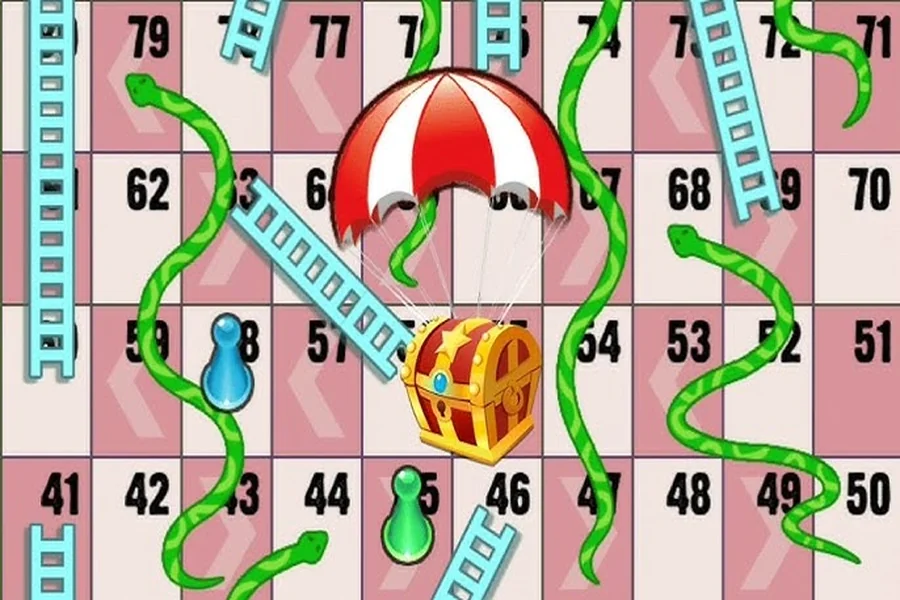
This one looks the easiest. Straightforward board, minimal decisions. But even here, staying attentive matters.
While movement depends on dice rolls, reacting to the board, mentally tracking positions, and staying composed are part of the experience. It’s less about control, more about staying steady.
Tips to Improve Gameplay in Ludo
Winning in Ludo doesn’t come from one big move. It’s usually a series of smaller, better decisions.
1. Play Multiple Tokens
Focusing on one token might seem safe, but it limits options. Moving multiple tokens creates flexibility. It also reduces the risk of losing momentum.
2. Don’t Be Impatient in Capturing
While capturing one’s pieces is always a joy, sometimes the best option is not to do so immediately, but instead to continue moving forward.
3. Know When to Rest at Safe Locations
Safe locations should be used effectively, rather than simply as a means of pausing. Prolonged stays there can impede progress.
4. Thinking Ahead a Little More
That may be quite simple to say, but in reality, it often goes overlooked. Not only must a move be good at present, but it needs to leave future moves open.
Tips to Improve Gameplay in Carrom
Carrom is where control really shows. It’s less forgiving, but also more rewarding.
1. Focus on Positioning
Every shot affects the next one. Leaving coins in difficult spots creates unnecessary pressure later.
2. Control the Striker Force
Too much force sends coins off target. Too little leaves them halfway. Finding balance is key, and it takes practice.
3. Plan the Board Layout
Instead of just pocketing coins randomly, shaping the board in a favorable way helps in the long run.
4. Stay Calm After Misses
Missing a shot happens. Reacting to it emotionally usually leads to another mistake. Resetting focus matters more.
Suggestions for Playing Snakes and Ladders
Even if the game does not need any kind of strategy to be played, there are still some approaches to making your play better.
1. Use Your Brain All the Same
Just because the game uses dice, it does not necessarily mean that you should not involve your brain in it.
2. Enjoy the Difficulties in Life
Hitting a square where a snake is while nearing the finish line always tends to be tough.
3. Keep a Steady Pace
There’s no benefit in rushing mentally. Playing with a steady mindset makes the game more enjoyable.
The Role of Skill Across These Games
Each game uses skill differently.
- Ludo depends on decision-making and timing
- Carrom relies on precision and control
- Snakes and Ladders leans more toward patience and composure
What’s common across all of them is this: how players respond to situations matters more than the situations themselves.
Over time, patterns start becoming visible. Moves feel less random. Decisions feel more intentional. That’s where improvement quietly happens.
Common Mistakes That Affect Gameplay
Some mistakes repeat across all three games, and they’re easy to overlook.
- Playing too fast without thinking
- Ignoring opponents’ positions
- Focusing only on immediate gains
- Losing patience after setbacks
These don’t seem like big issues individually, but together, they impact outcomes more than expected.
Building a Better Approach Over Time
The path to improvement requires practical experience instead of rule memorization. The actual process involves testing various methods to see their effectiveness, which leads to better decision-making through continuous improvement. The process requires time to develop, but results in gradual changes that occur at a steady pace. The game becomes more enjoyable to players through their increasing familiarity with its mechanics. The experience becomes better because players can understand the game better, although its difficulty remains unchanged.
Responsible Gaming Statement
These are games that are aimed at entertaining people. There are no certain outcomes since the result depends on the manner in which one plays the game. Every match will be played differently. Playing responsibly and ensuring that you enjoy the game is the only way to ensure a balance.
Conclusion
Acquisition of proficiency in the games Lodo, Carrom, and Snakes and Ladders requires understanding the elements of patterns and decisions as well as consistency. Eventually, actions become more planned, giving a more meaningful playing experience when one plays any of the board games.
From what has been experienced, platforms like Zupee bring this idea into a more structured format, where you can play these board games in an interactive way. It focuses on skill-based gameplay, where decisions and strategies shape outcomes. It’s not about fixed results; it’s about playing, improving, and enjoying the process in a balanced, entertainment-driven environment.


 By
By