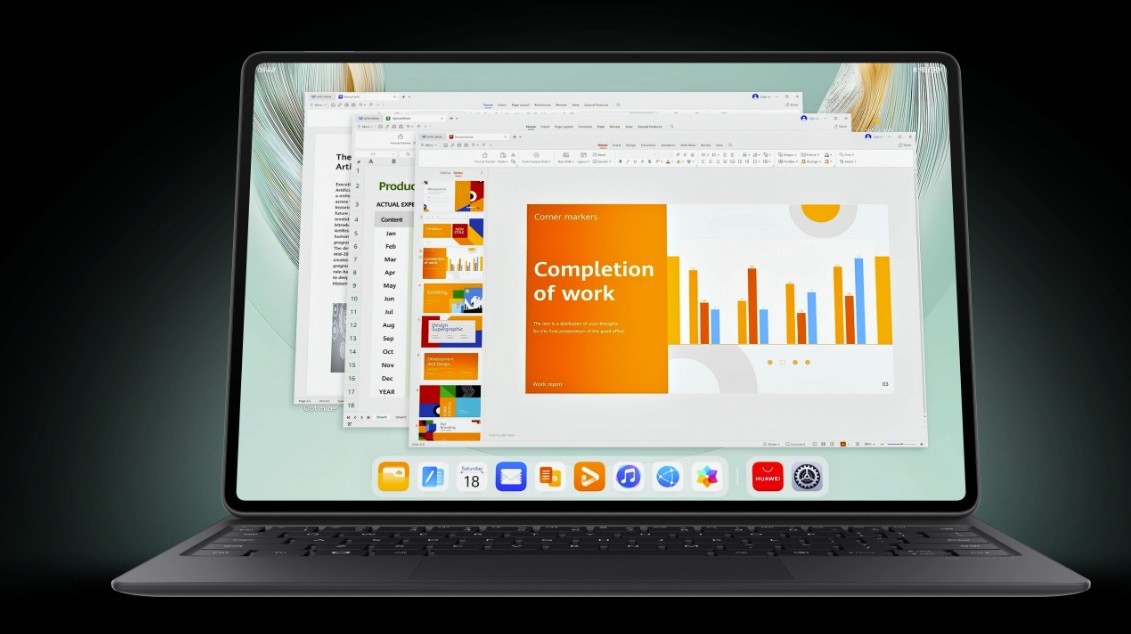
Choosing the ideal tablet for professional usage entails more than just selecting a famous brand. Professionals want a gadget that accommodates their work habits, equipment, and everyday expectations. Some people use tablets to doodle, while others use them to take notes, send emails, hold remote meetings, or manage presentations. The wrong option might slow you down or leave out important functionality. To avoid this, specify your job requirements first, then seek size, hardware, and accessories that meet them. An excellent tablet should seem like a natural extension of your workflow, not a compromise. We’ve broken down the decision-making process below to help you select a device that’s right for you.
What Will You Use the Tablet for At Work?
List Your Core Work Tasks and How Often You Do Them
Make a list of your weekly and daily chores first. For practical advice on choosing a tablet, consider visiting gold coast clear. Do you handle emails while on the road, write reports, create drawings, or participate in video calls? Keep track of how frequently you finish each assignment. You may better grasp what your tablet needs to support by following this step. You’ll need a smartphone with a good front camera and dependable audio if you make video chats every day, but just infrequently edit documents. On the other hand, a digital artist needs a big screen and pressure sensitivity. You can see your practical needs clearly when you map out your duties. Without this clarity, it’s simple to go over budget or choose a tablet that doesn’t effectively support your productivity.
Match Tasks to the Performance Level You Truly Need
Not every task necessitates flawless performance. Mid-range tablets are ideal for PDF reading and sending. However, processing large photos or running demanding applications necessitates faster CPUs and additional RAM. Matching performance to workload minimizes latency, saves battery life, and ensures durability. Compare app requirements to tablet processor, RAM, and storage. Don’t overspend on features you won’t use regularly. Professionals place a premium on consistent performance over impressive specifications. The goal is to multitask smoothly and quickly, based on your workflow rather than trends.
Identify Role-Specific Must-Haves and Nice-to-Haves
Each occupation has specific requirements. Salespeople may desire LTE connection and extended battery life. Writers like comfortable keyboards, but medical workers want secure login options. List the essentials for your job—your must-haves—then separate extras like 4K screens, twin speakers, or face unlock. This allows you to avoid paying for features that you rarely use. It also focuses your buying on items that directly benefit your productivity. Consider both software and hardware needs. A must-have for you might be a basic characteristic that another position overlooks. Make a checklist before going shopping to be realistic.
How Do You Choose the Right Size, Build, and Accessories?
Pick a Screen Size That Fits Your Desk and Travel Life
Screen size impacts both usefulness and portability. Larger displays provide more area for multitasking, writing, and creative apps. However, they require more storage space and are more difficult to transport. If you travel frequently or operate in small locations, an 11-inch tablet can be ideal. If you conduct design work or utilize split-screen apps, a 12.9-inch display may be preferable. Consider where and how you’ll use the gadget the most: on a desk, lap, aircraft tray, or while standing. Your surroundings should inform your decision. Don’t just choose the largest screen. Choose the one that best fits your current working environment and handling habits.

Check Weight, Durability, and Comfort for Long Sessions
Holding a tablet for hours, particularly when reading or writing, can be tiring if the device is excessively heavy or cumbersome. Professionals should select pills with an appropriate weight-to-size ratio. Aluminum construction provides strength, whereas plastic models are lighter but typically less durable. Also, consider the edge design and grip, since these determine how secure the tablet feels in your hand. If you work on the fly or in uncertain settings, think about water or dust resistance. For desk work, comfort is more important than toughness. Don’t dismiss weight just because it appears tiny; it has a significant influence over extended sessions. Choose comfort, particularly for mobile work.
Evaluate Keyboards, Pens, Docks, and Other Add-ons
Tablets become work-ready with the right accessories. If typing is your job, you’ll need a detachable or folio keyboard with haptic feedback. Creative workers should examine the pen and pressure sensitivity. Look for docks that can connect to Ethernet or external displays. Check brand compatibility before purchasing third-party tablet accessories. Chargers, cases, and screen protectors all have an impact on how we use our devices. Consider the accessory ecosystem and how it impacts tablet performance in real-world applications. Tablets become workstations when their accessories fit the duties.
Conclusion
Choosing a professional tablet involves more than just evaluating brands and costs. Begin with your real duties and how frequently you complete them. Next, align performance, display, and accessories to support your role. Consider the elements that are important for your unique sector, whether it is artistic, administrative, sales, or technical. Whether you rely on the Google Play, or prefer a huawei app gallery install for your essential apps, make sure the device supports your ecosystem. Don’t let marketing hype distract you from what you really need. A good tablet should make your work easier, not more complicated. With careful planning and research, you’ll find a device that fits your workflow, travels well, and delivers value far beyond its specs.


 By
By